Robust cybersecurity measures are critical in defending against risks, says Dr Al Kuwaiti
AI-enabled cyber threats highlighted at 3rd Government Cybersecurity Summit in Abu Dhabi

The UAE is strengthening its position as a global leader in cybersecurity by embedding digital defence at the core of its development strategy, said Dr. Mohamed Al Kuwaiti, Head of Cyber Security for the UAE Government, outlining the country’s evolving cyber resilience framework. He was keynote speaker at the 3rd Government Cybersecurity Summit in Abu Dhabi on Tuesday.
Dr. Al Kuwaiti emphasised that cybersecurity in the UAE is no longer confined to technical defence but has become a whole-of-society effort. “Robust cybersecurity measures are critical in defending against risks and minimizing potential damage. For UAE government entities, cybersecurity is fundamental to protecting sensitive data, ensuring national security, maintaining public trust, adhering to regulations… and securely embracing emerging technologies,” he said.
Organised by the UAE Cybersecurity Council and Intellicon Events, the well-attended summit that included insightful panel discussions and talks by leaders in the field, brought together senior government officials, technology leaders, security professionals and policy architects from the region and beyond.
Across sectors, from telecom operators to AI infrastructure companies and global enterprises, experts highlighted the importance of cybersecurity in the fast-evolving world.
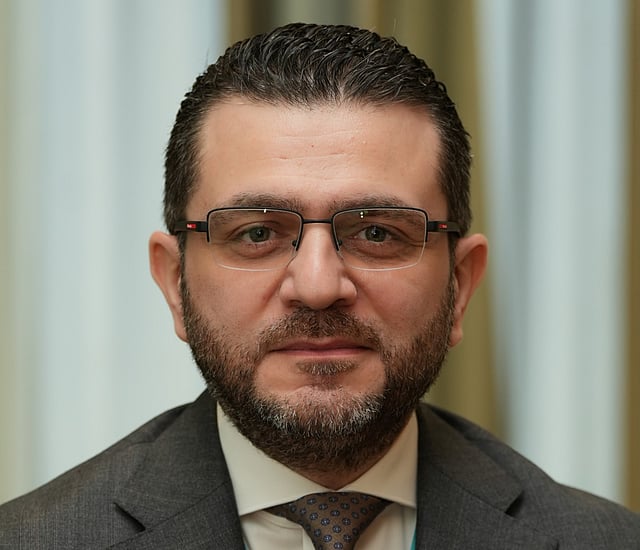
For Emad Haffar, Head of Security Consultants for Middle East, Turkiye and Africa at Kaspersky, the conversation begins with people. “We often focus heavily on solutions and technologies, but we sometimes forget the human factor,” he notes. Despite advances in automation and AI-driven defence systems, he argues that “almost every cybersecurity issue is connected to people in one way or another.” As systems become more intelligent, the challenge is shifting from tool deployment to human adaptation. “We need to rethink how we educate and train professionals so they can use these technologies effectively.”

The tension between disruption and preparedness is echoed in the boardroom. Jorge Fernandes, CEO of iBlades, describes a decisive shift in executive thinking. “The good news is cybersecurity has firmly reached the boardroom. Today, cyber risk is increasingly viewed as a strategic business issue rather than simply a technical concern,” he says. In a world shaped by AI and looming quantum transitions, he argues that organisations are now asking less whether transformation will happen and more when they must adapt.
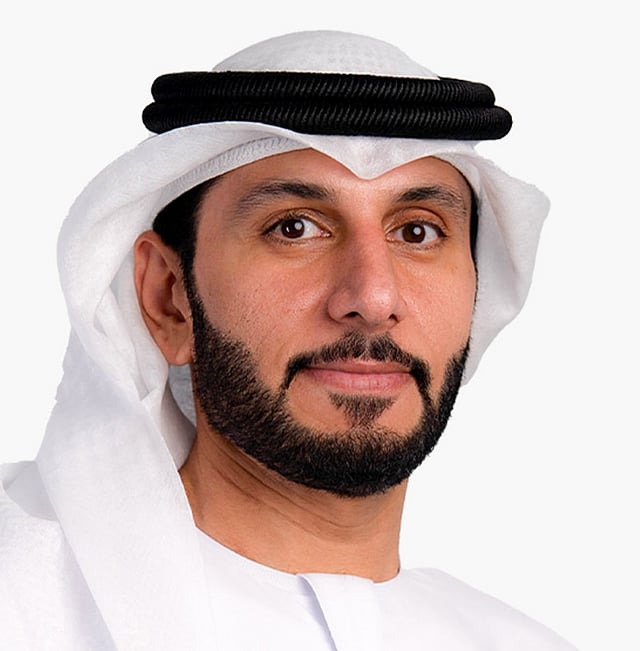
For telecom operators, the stakes are even more immediate. Saood Karmostaje, Vice President/Government Sales at e&, describes them as “critical targets because they underpin national connectivity, digital solutions and economic activity.” With the expansion of cloud, AI, 5G and IoT, he says “the attack surface has expanded significantly.” The response, he argues, is a shift from prevention alone to readiness, response and recovery: “Cyber resilience is now as important as cybersecurity.” In this environment, trust becomes the defining currency. “Trust means delivering secure, resilient and always-available services” built through transparency, continuous investment and close collaboration across the ecosystem, he says.
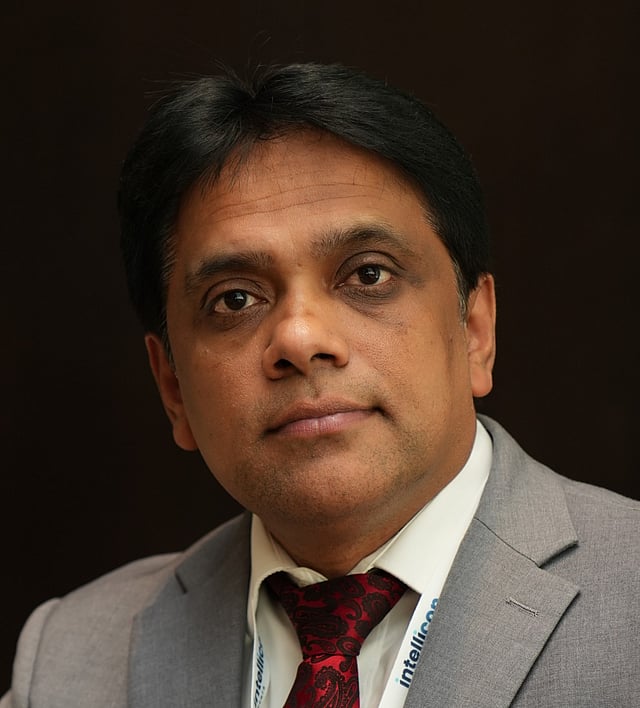
As AI systems scale, the volume of data being generated, especially visual data, has become a defining cybersecurity and infrastructure challenge. Mansoor Khan, CTO of Neurovia AI, emphasizes that security and data efficiency are now inseparable. “Cybersecurity is fundamentally a data problem,” he notes, pointing out that protecting modern enterprises means safeguarding massive, continuously flowing datasets across distributed environments. Neurovia AI focuses on reducing this burden through advanced visual data compression of up to 96.3% or more, enabling organizations to minimize data exposure, reduce transmission risk, and lower storage dependency. “When you compress data intelligently, you don’t just save cost, you reduce the attack surface,” Khan explains. In this context, data sovereignty is also strengthened, as efficient compression and controlled data handling help organizations maintain greater visibility, security, and governance over their digital assets.
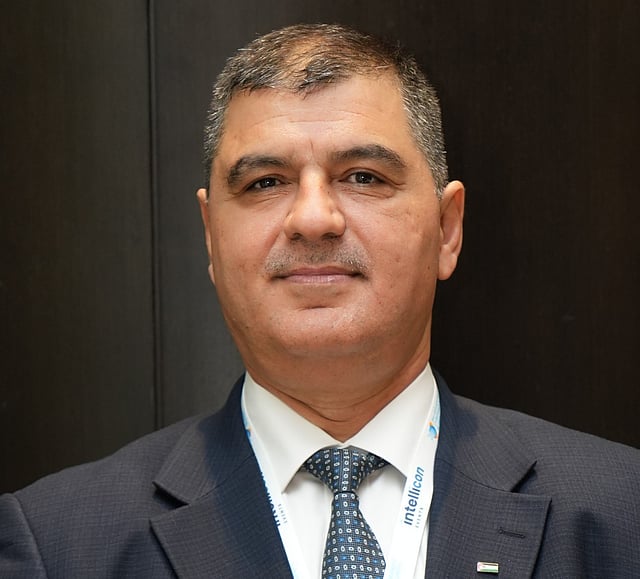
At a nation’s level, this thinking becomes institutional. Eng. Mohammad Al-Samadi, President of Jordan’s National Cybersecurity Centre, frames cybersecurity as a structural pillar of governance. “Cybersecurity must be treated as a national programme that governments adopt to build resilience at the national level,” he says. His model rests on three pillars: “people, policies and governance, and technology.” But beyond frameworks, he stresses cooperation. “The need to share is fundamental,” he explains, arguing that trust-based agreements between countries are essential for strengthening regional resilience.
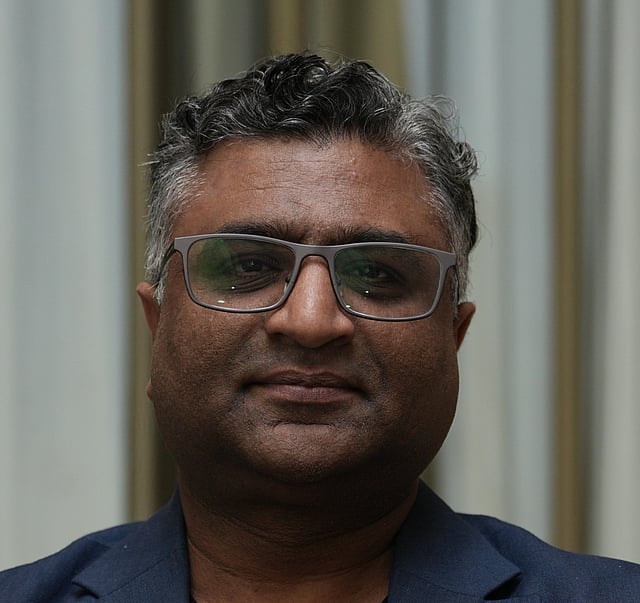
If resilience is the present concern, the future is defined by acceleration. Bilal Baig, Vice President of Solution Engineering for AMEA at TrendAI️, who delivered a keynote at the summit, described the shift toward “agentic security” where systems are capable of making autonomous decisions in real time. “It is about visibility, risk exposure and prioritisation,” he explained, describing how AI maps attack paths and identifies the single vulnerability that could break an entire kill chain. As TrendAI️ deepens its footprint in the wider region, Baig warned that the scale of the challenge is only expanding. “We are entering a world where vulnerabilities are discovered continuously,” he said, a reality, he argued, that demands security capable of responding at the same speed.

Keirin K. Lee, Partner, Oliver Wyman, says, "The biggest cybersecurity challenge for highly digitized societies like the UAE today is that government and society are becoming more connected than ever. Governments are moving quickly on digital services, cloud, data exchange, smart infrastructure, and AI, which creates better services and faster delivery, but also means risk no longer sits neatly inside one ministry, one platform, or one data center. The discussion is shifting away from compliance checklists and toward resilience — identifying the services that matter most, mapping the dependencies behind them, and making sure cyber is built into strategy, procurement, cloud, data, and AI decisions, not bolted on after the fact.
"AI is changing the economics of cybersecurity by helping defenders move faster while reducing the cost and effort required to launch sophisticated attacks at scale, making it essential to not only secure with AI, but secure the AI itself. Ultimately, the better test for government is to shift from cybersecurity to cyber resilience: when something goes wrong, do essential services continue, and how quickly can they recover? The most strategic measures are continuity, recovery time, service availability, and trust —because that is what citizens experience every day."

Annbritt Anderson, Chief Revenue Officer of Guardsix, sums it up well. "Cybersecurity is no longer just a technology conversation,” she said. “It’s a conversation about trust, resilience, and the ability to move forward with confidence in an increasingly digital world."
As the UAE continues to position itself as one of the world's most digitally advanced nations, the Summit was a reminder that the infrastructure of trust — built through partnership, investment, and shared commitment — is as vital as any technology it supports.
The 4th Government Cybersecurity Summit is expected to return to Abu Dhabi in 2027.
![Global experts will examine how health data, genomics and digital tools could transform medicine during the Future Health Summit 2026. [Illustrative image]](http://media.assettype.com/gulfnews%2Fimport%2F2023%2F07%2F19%2FOPN-AI-HEALTHCARE_1896e7cdbff_large.jpg?w=320&auto=format%2Ccompress&fit=max)

