How holistic development shapes effective teaching and learning
In conversation with Tasleem Koser, Principal, Al Salam Private School
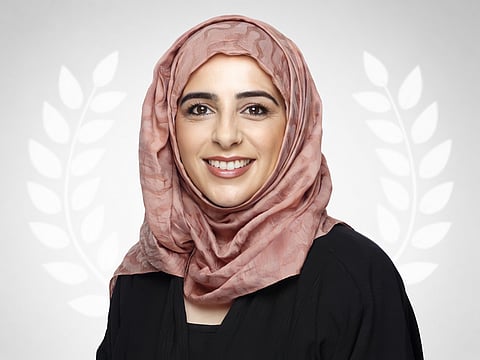
How is your school rethinking teaching and learning so that students develop not only academic strength, but also adaptability, problem-solving abilities and the confidence to navigate uncertainty?
Learning skills is a key area of focus and a central school priority. Holistic development is integral to the way we teach and learn at ASPS, ensuring we help students develop vital life skills to grow and thrive. Rather than just memorising facts, students are regularly given opportunities to apply these skills through collaborative projects, inquiry-based learning, and real-world tasks within lessons. This active approach directly builds their problem-solving abilities and teaches them how to adapt when challenges change.
In addition, our varied extracurricular activities, competitions, enrichment programmes, and leadership opportunities further strengthen their confidence, resilience, and independent thinking, giving them the exact tools they need to navigate uncertainty with ease.
Many schools speak about future-ready learning, but translating that into the curriculum requires concrete change. How are you redesigning classroom experiences, subject integration and assessment methods to ensure students are developing skills that remain relevant in a fast-changing global economy?
We believe that future-ready learning requires moving away from isolated subjects toward a more integrated, dynamic curriculum. At ASPS, we have redesigned our internal curriculum documentation to introduce greater depth into subjects while purposefully embedding future-focused competencies such as artificial intelligence (AI), innovation, and digital literacy within everyday lessons.
To ensure relevance in a fast-changing global economy, we weave critical global concepts and key regional initiatives directly into our subject content. This includes aligning our curriculum with sustainability goals, UAE national initiatives, and the E33 goals.
Our approach focuses heavily on three core areas:
Subject Integration & Student Leadership: We actively involve student leaders in identifying and showcasing the interconnections between different academic disciplines. For instance, this year our Year 11 students have been working on a collaborative project to redesign school environments, physically demonstrating how diverse subjects intersect in real-world design and problem-solving.
Adapted Assessment Methods: Our assessment models have evolved to focus on project-based learning. Instead of relying solely on traditional testing, students are assessed on how they weave multiple skills into comprehensive projects. We place a high priority on oracy, active listening, communication, and collaboration.
Real-World Exposure: Classroom learning is complemented by direct exposure to professional environments. Through interactions with external experts, strategic field visits, internships, and real-world tasks, we ensure our students build the adaptability, creativity, and practical skills needed to thrive in a rapidly evolving global landscape.
What specific initiatives has your school introduced to help students better understand emerging industries, evolving career opportunities and the expectations of higher education institutions worldwide?
To ensure our students are exceptionally well-prepared for the global stage, we have significantly expanded our career guidance framework and industry partnerships this year. A cornerstone of this initiative is the appointment of a dedicated Careers Counsellor, who provides tailored, individualised guidance to help students align their academic choices with evolving global pathways.
We bridge the gap between secondary education, emerging industries, and higher education through several targeted initiatives:
Higher Education & Global Mapping: We have introduced a robust schedule of university-based events, in-school career fairs, and direct university visits. These experiences ensure students understand the evolving admission expectations, course structures, and cultural landscapes of higher education institutions worldwide.
Industry-Infused Classrooms: Career preparation is embedded directly into our teaching. Teachers explicitly highlight subject-linked career references during lessons, supported by curated virtual career videos that showcase emerging industries and cutting-edge fields.
Direct Professional Exposure: We bring the professional world into ASPS through expert talks and visits from industry leaders. These are complemented by external industry visits, giving students first-hand exposure to modern professional environments and the real-world expectations of the global economy.
Career guidance is increasingly moving beyond university counselling into long-term life planning. How does your school support students in making decisions about higher education, career pathways and skill development?
At ASPS, we view career guidance not as a final destination, but as a progressive journey of self-discovery and long-term life planning. Our framework is intentionally structured to evolve alongside our students, shifting from broad awareness to deeply personalised, data-informed decision-making.
Our strategy supports students across three distinct phases of growth:
Early Awareness and Exploration: In the lower years, we lay the foundation through dedicated career days and exploratory activities. These initiatives introduce younger students to a diverse range of job sectors and emerging global possibilities, sparking early curiosity about the world of work.
Curriculum Integration and Skill Mapping: From Year 9 onwards, career learning becomes deeply integrated into the academic experience. Students engage in structured awareness sessions, targeted skill development activities, and subject-linked guidance that explicitly connects classroom learning to future professional relevance.
Data-Informed and Experiential Personalisation: To ensure choices are tailored to individual strengths, we utilise aptitude testing and data-informed insights. This allows us to help students map out their unique interests and suitability for specific subject options and career pathways. This diagnostic approach is paired with virtual work experience platforms, digital skill development tools, and exposure to real-world scenarios, ensuring our students are uniquely equipped to make highly informed, confident decisions about higher education and life beyond school.
Extracurricular programmes are now considered an integral part of student development. How are sports, arts, innovation programmes, entrepreneurship initiatives or leadership opportunities being designed to strengthen competencies that are valuable for future careers and real-world success?
At ASPS, extracurricular programmes are not merely add-ons; they are intentionally designed as a vital extension of classroom learning, specifically structured to build future-ready competencies. To bridge the gap between theory and practice, we have integrated specialised enrichment lessons directly into the curriculum from Year 7 onwards. These modules—spanning health and fitness, STEM, robotics, and entrepreneurship—are explicitly crafted to develop practical, high-value skills.
Our holistic approach strengthens real-world career competencies through three main avenues:
Creative and Digital Specialisation: Alongside traditional academic streams, we offer specialised areas such as graphic design. This allows students to master industry-relevant digital tools and creative processes, preparing them directly for the demands of the modern creative economy.
Competitive and Collaborative Challenges: Students are actively encouraged to test their skills on broader stages through competitive tournaments, art fairs, and dedicated innovation challenges. These platforms demand high levels of creativity, teamwork, and cross-functional problem-solving under pressure.
Leadership and Applied Enterprise: Through structured leadership opportunities and our entrepreneurship initiatives, students learn the fundamentals of project management, strategic thinking, and resilience.
By actively engaging in these diverse experiences, our students build the confidence, adaptability, and core competencies required to pivot and succeed in their future careers.


