Helping prep a more holistic education
Why empathy, cultural awareness and global understanding are essential parts of learning
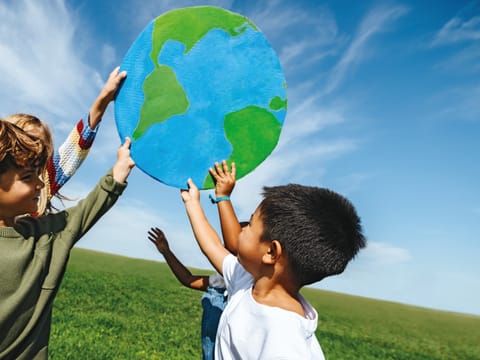
Good grades still matter, but they are no longer enough. Children are learning in classrooms influenced by constant global interaction, where understanding people is as important as academic knowledge. Empathy, respect for difference and awareness of cultural nuances are just as critical as maths and science for real success. These are not skills that can be taught in isolation or delivered in one module. They are formed through daily experiences and constant exposure, starting early. Across the UAE, schools are building these ideas into teaching, activities and school life, helping students absorb global context naturally.
Classroom practice
At Glendale International School, cultural awareness is embedded into how students learn every day. “At Glendale, cultural awareness is not an event on the calendar but rather a lived experience woven into everyday learning,” says Jasmit Kang, Principal.
Global perspectives are integrated into curriculum design, classroom dialogue and assessment, and students are encouraged to engage with diverse voices, histories and viewpoints.
“Lessons are contextualised to reflect both local and global cultures. By creating spaces where students question, compare, and connect cultures authentically, we nurture respect, empathy, and global citizenship that extends far beyond textbooks or token celebrations,” Kang explains.
A similar emphasis on values-led learning shapes the approach at Springdales School Dubai. In alignment with the visionary E33 Strategy and National Agenda, the school places empathy, open-mindedness and respect for diverse perspectives at the heart of education.

David Jones, Principal, Springdales School Dubai, says, “Empathy and respect are not taught as abstract ideas; these qualities are cultivated through purposeful classroom dialogue, collaborative learning, and community engagement, and are reflected in student outcomes such as respectful communication, ethical decision-making, leadership, and social responsibility.”
Jones adds that the Arabic language, Islamic values and national identity remain central to the school’s ethos, ensuring students are deeply rooted in culture while confidently engaging with a globalised world.
“Student well-being is strengthened through intentional teacher-student and teacher-parent relationships, fostering trust, emotional security, and a strong sense of belonging.”
Engagement and immersion
At Emirates International School Meadows (EISM), cultural understanding is built through everyday learning and interaction.
“At EISM, empathy and respect are nurtured through an inclusive International Baccalaureate (IB) framework that values international mindedness, student voice and strong relationships,” says Ian Ward, Principal.
Enquiry-based learning, community service and collaborative projects allow students to encounter different perspectives in practical ways. “These values are reflected daily in students’ behaviour, leadership, communication and their ability to work collaboratively, reflect thoughtfully and contribute positively to the wider school community,” Ward adds.
