Future of free zones depends on depth, not scale, says Ismail Al Naqi, Director General, Free Zones Authority of Ajman
Free zones must prioritise indicators that reflect real economic value
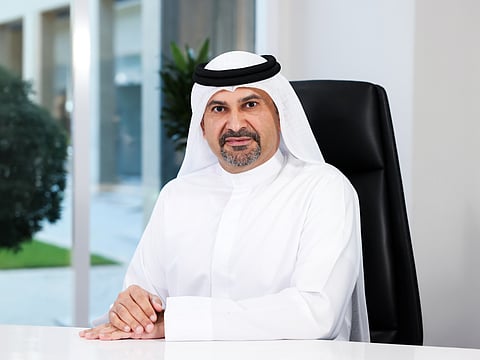
An attractive business environment aligned with technology, agility, pro-growth regulations and government support are major factors bringing entrepreneurs to the UAE and the future looks even more promising as the country pursues ambitious growth plans, says Ismail Al Naqi, Director General at Free Zones Authority of Ajman, in an interview with Gulf News. Here are some excerpts:
Beyond cyclical demand and geopolitics, which structural challenges most threaten freezone competitiveness, and how should zones recalibrate?
Freezones everywhere are facing a new kind of challenge, one that goes beyond markets and geopolitics. Around the world, businesses are seeking trust, stability, and simplicity. Investors want to feel confident that the environment they choose is clear, predictable, and respectful of their time. They also want assurance that their entire journey can be managed digitally, without unnecessary obstacles.
To remain competitive, freezones must recalibrate their role. They must evolve from administrative facilitators into human-centered, digital-first ecosystems that give investors’ confidence, clarity, and a seamless experience. When freezones focus on trust, simplicity, and responsible growth, they naturally become the preferred choice for global businesses seeking long-term partnership.
If you could prioritise three federal-level adjustments, which would accelerate the UAE’s free-zone evolution, and why?
Three federal-level enhancements would significantly advance the UAE’s leadership in the global free-zone space.
First, unified national digital frameworks. When data, systems, and processes work together across all jurisdictions, investors feel the ease and harmony of a nation moving as one. This strengthens trust and supports the UAE’s digital economy ambitions.
Second, simplified licensing for modern hybrid business models. Many businesses today operate across media, digital services, manufacturing, e-commerce, and professional activities at the same time. Simplified cross-emirate licensing would accelerate their growth and reduce administrative friction.
Third, incentives that encourage innovation, R&D, and intellectual property development. These help attract high-value industries, support local talent, and build the foundations of a knowledge-driven economy.
Together, these adjustments reflect the UAE’s forward-thinking spirit and commitment to empowering investors with clarity and opportunity.
How should free zones shift toward advanced economic metrics such as export sophistication, R&D intensity, and value capture?
The future of Free Zones depends on depth, not scale. Instead of focusing solely on company numbers, free zones must prioritise indicators that reflect real economic value. These include R&D investment, product sophistication, local value creation, and the ability of SMEs to scale.
Free Zones can support this shift by creating environments that make innovation accessible, whether through partnerships with academic institutions, strong IP frameworks, or incentives that encourage research and product development. This approach aligns with the UAE’s vision of an economy built on creativity, technology, and advanced industries.
Which macro trends offer the strongest pivot points for UAE free zones, and how should zones operationalise them?
Several global trends offer strong opportunities for UAE free zones. Resilient supply chains open the door for the UAE to become a trusted regional base. Digital trade corridors and borderless entrepreneurship allow free zones to support creators and solopreneurs with simple, digital-first journeys. AI-driven manufacturing, climate tech, and sustainable production models create new possibilities for future-focused industries.
To operationalise these trends, free zones should establish specialised clusters, invest in digital onboarding pathways, and support sectors that reflect tomorrow’s economy. This ensures relevance and competitiveness in a rapidly changing world.
What will the free zone of the future look like, and what must zones start building today?
The freezone of the future will be completely seamless. Investors will be supported by AI co-pilots, automated logistics, secure blockchain-enabled processes, instant digital verification, and unified platforms that bring every service together.
But technology alone is not enough. The freezone of the future must carry the UAE’s values of hospitality, clarity, and respect for the human experience. To reach that future, zones must invest today in digital foundations, smart systems, and secure, intuitive platforms that give investors comfort and confidence.
How should UAE free zones evolve talent pipelines, academies, and global entrepreneur access?
UAE freezones must continue investing in people. Sector-specific academies for media, technology, and industry will help build the skills that future companies require. Freezones must also open pathways for global entrepreneurs, giving them digital access, guidance, and a supportive environment that makes the UAE their preferred home. This reflects the UAE’s long-standing commitment to nurturing talent and welcoming ambition.
How can UAE free zones integrate sustainability to become platforms for responsible, capital-efficient growth?
Sustainability is becoming a core decision point for investors. Free zones must offer clean energy access, circular industrial models, and efficient infrastructure that encourages low-impact operations. When sustainability is built into everyday systems, companies reduce costs, operate more efficiently, and contribute to long-term national goals.
The UAE’s dedication to responsible development provides a strong foundation for free zones to become global leaders in sustainable, capital-efficient business environments.


