From Festival to Framework: How the UAE’s wellness conversation is evolving
The UAE’s wellbeing conversation is changing, feels more grounded & woven into daily life
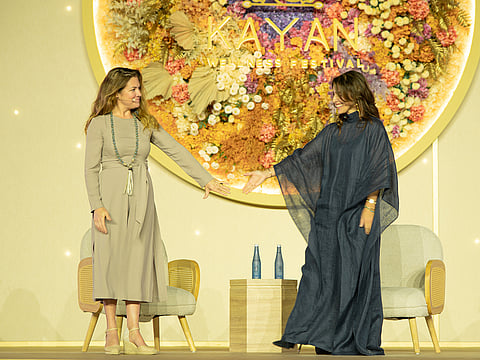
The Kayan Wellness Festival in Abu Dhabi this year offered immersive experiences, sound healing and conversations on authenticity and emotional awareness. Beyond the program itself, a shift was visible. The UAE’s conversation on wellbeing is changing, and it feels more grounded, more integrated into everyday life than in previous years
The language around mental health is becoming more direct. Instead of abstract ideas about transformation, people are asking practical questions. Should I try meditation? How do I manage burnout? Is therapy necessary? These are no longer niche concerns. They reflect a growing willingness to examine how we live, lead, and relate at home and at work. In wider gatherings, leadership circles, and within families navigating rapid development, these conversations are becoming normalised.
During my session, Closer Together: The Path to Inner Peace and Collective Healing, the focus turned to the Year of Family. In the UAE, family is not just personal. It is part of national identity and part of the country’s social infrastructure. The discussion moved quickly from inspiration to responsibility, from what feels uplifting in conversation to what must be sustained across generations. If emotional wellbeing matters within families, it must also be supported in workplaces. Work and family systems influence one another. Ignoring that connection weakens both.
Three themes stood out: authenticity, longevity and embodied wellness.
Authenticity is no longer discussed as a slogan. It means aligning behavior with values and recognising emotional patterns in real time particularly in positions of influence, where emotional regulation shapes collective outcomes.
Longevity is gaining attention locally and globally, but it extends beyond optimization trends. Sustainable health depends on sleep, stress regulation, relationships and meaningful work.
Embodied wellness means wellbeing cannot remain theoretical. It has to show up in routines, leadership behavior and organizational culture and in how performance, success and resilience are defined.
Compared to previous years, there is greater openness around mental health. Leaders speak more comfortably about stress. Employees acknowledge burnout. Therapy is discussed without the same hesitation seen a decade ago.
When I first began working in the UAE over 25 years ago, wellbeing was often reduced to surface practices. It was rarely connected to emotional literacy or leadership development. Today, the language includes leadership, mindset and resilience. There is greater psychological sophistication in how wellbeing is understood.
Yet language alone is not enough.
One of my clients, the CEO of two listed companies, learned this under pressure. In the months before his IPO, he was sleeping little and working constantly. He described himself as living on adrenaline. Weeks before launch, he experienced a health crisis. That moment forced him to reconsider how he defined strength and what kind of culture he was building. It raised a deeper question about how strength is defined in high-growth environments. High intensity is often rewarded, even when recovery is not structurally supported. High performance is often praised even when it comes at a personal cost.
If wellbeing is to move from festival conversation to daily reality, it must be embedded into hiring, leadership assessment and performance expectations. It cannot be a one-day initiative or a communications exercise separated from operational decision-making and leadership evaluation.
There are signs of progress. Trauma-informed training programs such as Compassionate Inquiry were introduced locally last year, expanding professional capacity in deeper emotional work. Corporate wellbeing programs are increasing. But sustained change requires consistency.
As international speakers continue to headline major events, another question emerges. Are we nurturing enough regional voices to lead this work from within? Voices that understand the cultural, emotional and relational fabric of this region. Lasting cultural change depends on local ownership.
The conversation around wellness and wellbeing in the UAE has evolved. The next step is ensuring that the structures around us evolve with it.
By Nancy Zabaneh, Keynote Speaker, Kayan Wellness Festival, Abu Dhabi

