For strategic marketing brand Créo, clarity in action leads, followed up with speed in implementation, says brand Managing Partner
Anisha Sagar shares leadership insights in modern marketing strategies today
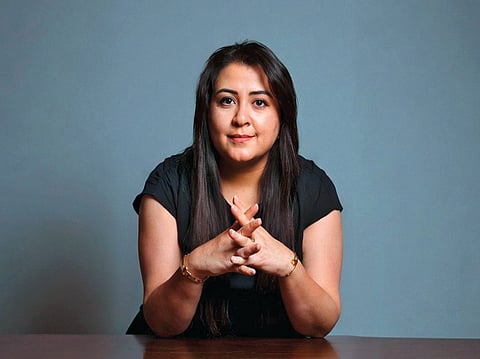
In a region where pace and uncertainty often collide, how do you balance speed of execution with long-term strategic clarity during periods of geopolitical tension?
This region isn’t somewhere I came to build a career, it’s where I was shaped as a professional and as a person. The Middle East has always demanded that you hold two things simultaneously: the ability to move fast and the discipline to stay directionally sound. That tension is where good strategy is actually forged.
The way I’ve always approached it is by separating the anchor from the sail — the long-term vision doesn’t shift with the news cycle, but execution has to be responsive. At Créo, that means shorter feedback loops, faster bets, and staying close to the data so clients never feel like they’re waiting for a strategy refresh when the ground moves. Businesses that stay present through difficult cycles consistently come out stronger. My job is to make sure our clients embody that confidence.
In earlier interviews you’ve spoken about staying lean and agile, how does that philosophy translate into resilience when businesses are forced to pivot rapidly in evolving market conditions?
Lean has always been a strategic posture for me, not a budget conversation. It’s about removing everything that slows down good decision-making. The businesses I’ve watched pivot effectively weren’t the largest or best-resourced, they were the ones with tight alignment and trust already built into how they worked.
At Créo, we invest heavily in clarity upfront — on goals, on brand, on what success looks like — so that when conditions shift, the team shifts instinctively. Resilience isn’t something you improvise in a crisis. It’s a culture you build long before one arrives.
As a woman leading at the forefront of strategic marketing, what unique perspectives do women leaders bring to high-stakes decision-making environments today?
What I’ve developed over 25 years, and what I see in the women leaders I most respect, is layered awareness. The ability to read a room on multiple frequencies: the data, the human dynamics, the things not being said.
In marketing, that’s a profound advantage because great marketing lives at the intersection of evidence and empathy. The most powerful decisions I’ve made have come from trusting both instinct and data simultaneously, never choosing between them. That dual fluency is something I’d count among the most valuable things any leader can bring to the table.
In times of external pressure, how do you build teams that remain both performance-driven and emotionally aligned with the organisation’s vision?
The foundation for how a team performs under pressure is always laid before the pressure arrives. My approach is radical transparency — bringing people into the thinking, not just the execution.
At Créo, people understand the purpose behind every target we chase, which means performance doesn’t collapse into compliance when things get hard. I’ve always invested in the human side of leadership as a hard strategic priority, not a soft one. Leaders who see the whole person retain great people.
Dubai rewards speed, resilience and relationships. How do you personally embody these traits while steering Créo through an increasingly complex business landscape?
Speed, for me, means making the call when others are still building the case. At Créo, that’s what keeps our clients ahead, not catching up. Resilience is quieter and more personal, forged through every market shift and every room where I had to hold my ground. You don’t get to this point in your career without developing a very clear sense of what you’re made of. And relationships — every meaningful connection I’ve built in this city has come from showing up honestly, consistently, and for the long game. That’s what steers Créo forward.


