Bangladesh opens doors to investors as Tarique Rahman drives pro-business reforms
Bangladesh’s PM aims to turn stabilisation into growth, prioritising investor appeal
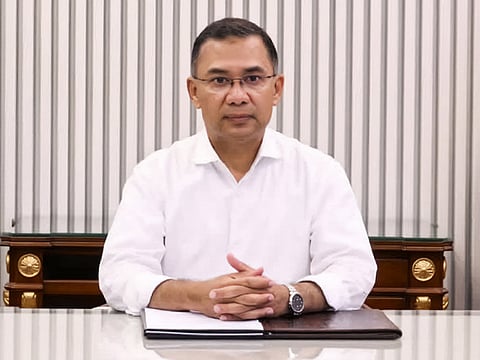
Prime Minister Tarique Rahman has made streamlining entry for investors a national priority. In May he directed senior officials to simplify the approval process for investment projects, while pushing to increase loans to facilitate private investment in government factories. That aligns with his previously outlined strategy to attract higher levels of local and international capital. “We will pursue prudent deregulation, improve the ease of doing business and foster a competitive environment that attracts responsible investment,” he said in March.
Our goal is to unlock the full potential of our people and the private sector.Tarique Rahman, Prime Minister of Bangladesh
The International Monetary Fund's (IMF) April 2026 report on Bangladesh points to both the challenges and long-term appeal of one of South Asia's largest economies. The IMF estimates Bangladesh’s GDP at $511 billion – ranking second in the region, behind India – with growth forecast to reach 4.7% in financial year 2026. That outlook comes against a backdrop of moderating inflation, rising foreign-exchange reserves and a reform agenda aimed at improving transparency, competition and private-sector participation.
Net foreign direct investment rose 39% in 2025 to $1.77 billion but was largely driven by activity from existing overseas firms. The government aims to build on that figure by drawing new investment across a broader range of sectors. Textiles and garments remain the dominant destination, but pharmaceuticals, telecommunications and the digital economy are all areas of growing interest internationally.
With opportunities arising across the economy, renewable energy is an area of particular focus. Trailing its neighbours in renewables adoption, the Merchant Power Policy opens Bangladesh's energy supply to the private sector through corporate power purchase agreements, while a rooftop solar programme targeting 3,000MW of new capacity and a new PPP framework opening public land to large-scale solar projects aim to significantly boost generation. With Gulf investors already active in Bangladesh's energy and infrastructure sectors, the scale of the transition – solar capacity is projected to reach 8.5GW by 2035 – represents a significant pipeline of opportunity.
Tarique Rahman short Bio
1985 – Enrols at the University of Dhaka but later drops out to start a business in textiles and shipping.
1988 – First enters politics as a member of the Bangladesh Nationalist Party (BNP) in his native Bogura District.
2009 – Elected Senior Vice Chairman of the BNP at its 5th National Council.
2026 – Named Chairman of the BNP before leading the party to a two-thirds majority in general election.


