Almarfa International prepares students for a rapidly changing world
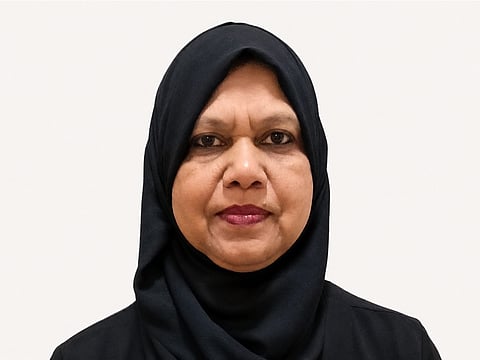
In conversation with Fareesa Azeem, Principal, Almarfa International Private School
How is your school rethinking teaching and learning so that students develop not only academic strength, but also adaptability, problem-solving abilities and the confidence to navigate uncertainty?
Rethinking teaching and learning in schools is essential for preparing students for a rapidly changing world. Educators are increasingly focusing on fostering adaptability, problem-solving abilities, and confidence alongside academic strength. This multifaceted approach involves innovative pedagogical strategies, curriculum redesign, and a supportive school culture.
One primary method is project-based learning (PBL), which encourages students to engage in real-world projects that require critical thinking, collaboration, and creativity. For example, designing a sustainable garden can teach students about biology and environmental science while requiring teamwork and adaptability.
Integrating technology into the classroom enhances learning experiences, allowing for personalized learning and exploration of subjects that interest students. Digital tools facilitate simulations and virtual experiments, helping students develop resilience and adaptability. For instance, coding platforms enable students to create games or apps, learning to troubleshoot and iterate on their designs.
Fostering a growth mindset is crucial for building confidence in navigating uncertainty. Educators emphasize resilience and the idea that failure is part of the learning process. By creating an environment where mistakes are viewed as growth opportunities, students are encouraged to take risks and explore new ideas without fear of judgment.
Collaboration is another key element. Schools promote teamwork through cooperative learning strategies, where students work in diverse groups to solve problems. This enhances social skills and prepares students for the collaborative nature of the modern workforce, teaching them to communicate effectively and leverage each other’s strengths.
Social-emotional learning (SEL) is also vital in developing adaptable and confident individuals. SEL programs teach skills such as self-awareness and emotional regulation, helping students manage their emotions and relationships effectively. This holistic approach ensures students are academically prepared and equipped with essential life skills.
Engaging with the community through partnerships with local organizations and businesses provides students with internships and service-learning opportunities. These experiences allow students to apply their learning in authentic contexts, enhancing their problem-solving abilities and adaptability. For example, collaborating with local environmental groups can give students firsthand experience in research and advocacy.
Many schools speak about future-ready learning, but translating that into the curriculum requires concrete change. How are you redesigning classroom experiences, subject integration and assessment methods to ensure students are developing skills that remain relevant in a fast-changing global economy?
Redesigning classroom experiences, subject integration, and assessment methods to create future-ready learning environments is essential for preparing students for a fast-changing global economy. Schools must move beyond traditional educational models to cultivate relevant skills. One effective strategy is creating flexible learning spaces that foster collaboration and creativity, allowing classrooms to be reconfigured for various activities such as group work or hands-on projects. Incorporating technology like interactive whiteboards and virtual reality can enhance engagement and cater to diverse learning styles. Experiential learning opportunities that connect classroom concepts to real-world applications are also crucial. Partnerships with local businesses can enable students to tackle community challenges, such as sustainability initiatives, thereby enhancing critical thinking and problem-solving skills.
Adopting an interdisciplinary curriculum is vital for preparing students for the complexities of the modern workforce. Emphasizing STEAM (Science, Technology, Engineering, Arts, and Mathematics) education encourages creativity and innovation, as projects requiring design thinking stimulate both technical and artistic skills.
Innovative assessment methods are necessary to accurately reflect student capabilities. Implementing competency-based assessments allows students to demonstrate mastery at their own pace through portfolios, presentations, and peer assessments.
Cultivating soft skills is equally important. Integrating social-emotional learning (SEL) into the curriculum helps develop teamwork, empathy, and resilience. Activities like group projects and community service provide practical opportunities for students to practice these skills. Encouraging an entrepreneurial mindset prepares students to adapt to change and seize opportunities.
What specific initiatives has your school introduced to help students better understand emerging industries, evolving career opportunities and the expectations of higher education institutions worldwide?
Our school has implemented several specific initiatives aimed at helping students understand emerging industries, evolving career opportunities, and the expectations of higher education institutions worldwide.
One of the key initiatives is the establishment of a Career Exploration Program that includes regular workshops and guest speaker events featuring professionals from various fields, including technology, healthcare, renewable energy, and the arts. These sessions provide students with firsthand insights into the skills and qualifications required in emerging industries, as well as the day-to-day realities of different careers.
To address the expectations of higher education institutions, we have introduced a College Readiness Program that guides students through the college application process. This program includes workshops on writing personal statements, preparing for interviews, and understanding the various admission requirements of universities worldwide. We also provide resources for researching colleges and programs that align with students' interests and career goals.
Furthermore, our school has integrated a curriculum component focused on global citizenship and cultural awareness. This initiative helps students understand the importance of adaptability and cultural competence in today’s interconnected world. By engaging in projects that explore global issues and collaborating with peers from different backgrounds, students develop a broader perspective on career opportunities that transcend geographical boundaries.
We also utilize technology to enhance career exploration. Our school has adopted online platforms that provide access to virtual career fairs, webinars, and interactive tools that allow students to explore various industries and educational pathways. These resources help students stay informed about trends and opportunities in the job market.
Lastly, we encourage student involvement in extracurricular activities, such as clubs and competitions related to entrepreneurship, coding, and environmental sustainability. These activities not only foster skill development but also expose students to innovative fields and the entrepreneurial mindset necessary for future careers.
Through these initiatives, our school aims to equip students with the knowledge and skills needed to navigate emerging industries and evolving career opportunities while meeting the expectations of higher education institutions worldwide. By fostering a proactive approach to career exploration and higher education readiness, we empower students to make informed decisions about their futures.
Career guidance is increasingly moving beyond university counselling into long-term life planning. How does your school support students in making decisions about higher education, career pathways and skill development?
Our school has implemented several specific initiatives aimed at helping students understand emerging industries, evolving career opportunities, and the expectations of higher education institutions worldwide.
One of the key initiatives is the establishment of a Career Exploration Program that includes regular workshops and guest speaker events featuring professionals from various fields, including technology, healthcare, renewable energy, and the arts. These sessions provide students with firsthand insights into the skills and qualifications required in emerging industries, as well as the day-to-day realities of different careers.
Additionally, we have developed partnerships with local businesses and organizations to create internship and job shadowing opportunities. These real-world experiences allow students to gain practical knowledge and skills while exploring potential career paths. By working alongside professionals, students can better understand the expectations of employers and the competencies needed to succeed in the workforce.
To address the expectations of higher education institutions, we have introduced a College Readiness Program that guides students through the college application process. This program includes workshops on writing personal statements, preparing for interviews, and understanding the various admission requirements of universities worldwide. We also provide resources for researching colleges and programs that align with students' interests and career goals.
Furthermore, our school has integrated a curriculum component focused on global citizenship and cultural awareness. This initiative helps students understand the importance of adaptability and cultural competence in today’s interconnected world. By engaging in projects that explore global issues and collaborating with peers from different backgrounds, students develop a broader perspective on career opportunities that transcend geographical boundaries.
We also utilize technology to enhance career exploration. Our school has adopted online platforms that provide access to virtual career fairs, webinars, and interactive tools that allow students to explore various industries and educational pathways. These resources help students stay informed about trends and opportunities in the job market.
Through these initiatives, our school aims to equip students with the knowledge and skills needed to navigate emerging industries and evolving career opportunities while meeting the expectations of higher education institutions worldwide. By fostering a proactive approach to career exploration and higher education readiness, we empower students to make informed decisions about their futures.
Extracurricular programmes are now considered an integral part of student development. How are sports, arts, innovation programmes, entrepreneurship initiatives or leadership opportunities being designed to strengthen competencies that are valuable for future careers and real-world success?
Extracurricular programs are vital for student development, providing opportunities that enhance competencies essential for future careers and real-world success. Our school offers a diverse range of initiatives in sports, arts, innovation, entrepreneurship, and leadership, each designed to strengthen valuable skills.
In sports, our athletic programs emphasize teamwork, discipline, and resilience. Participation in team sports teaches students collaboration, communication, and how to handle success and failure, fostering leadership skills and promoting physical fitness.
The arts program encourages creativity and critical thinking through visual arts, music, theater, and dance. Students learn to express themselves and work collaboratively, developing time management skills and innovative thinking, which are increasingly important in today’s job market.
Our innovation programs focus on critical thinking and technical skills through robotics clubs, coding workshops, and design challenges. These initiatives encourage students to apply their knowledge to real-world problems, fostering analytical problem-solving abilities.
Entrepreneurship initiatives, such as business plan competitions and startup incubators, cultivate an entrepreneurial mindset. Students develop business concepts, enhancing skills like market research and financial literacy while building confidence and resilience.
Leadership opportunities are integrated throughout our extracurricular offerings, including student government and peer mentoring. These experiences empower students to take initiative, make decisions, and manage conflicts, essential skills for any career.
Additionally, we emphasize community engagement through service-learning projects, allowing students to apply their skills while making a positive impact. This fosters empathy, social awareness, and civic responsibility.


