
The value of rest: Why you need to switch off
When was the last time you took a proper break? As a society, we seem to have lost the art of rest
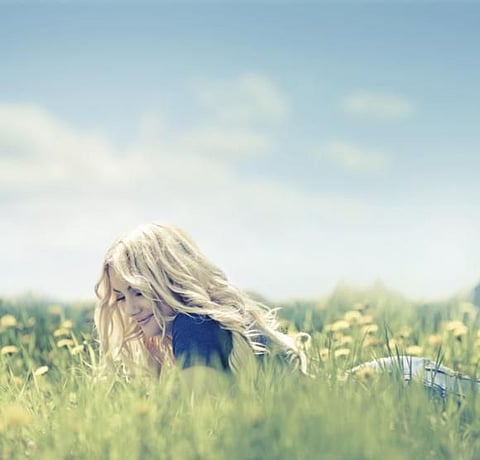
“Allowing ourselves the luxury of pausing in the midst of a frantic day is an incredibly beneficial and productive thing to do,” says clinical psychologist Dr Saliha Afridi of The LightHouse Arabia, “but unfortunately, it’s something we rarely allow ourselves to do.”
Professor Cary Cooper of the organisational psychology and health department at Lancaster University in the UK agrees, but takes it further. “We’re also driven by achievement – how hard we work, how much money we make, our status in society... so an inability to rest has a lot to do with fear and the need to prove ourselves,” he says. “We worry that we might risk our job, or simply lose face if we don’t show ourselves as endlessly capable and occupied. Taking time out is perceived as weak or indulgent.”
Even daytime naps are viewed as either impractical, lazy or a guilty indulgence (it’s become much rarer in Mediterranean countries to take the traditional siesta for instance).
And as for convalescing – once a necessary part of recovery from illness – that is now an unheard-of exercise. We’re forced by pressure or conscience to get back on the treadmill far sooner than our bodies really want to.
“That in itself is an irony,” says Prof Cooper. “Very often it’s the refusal to rest in the first place that causes us to become ill. It’s a warning sign that burnout is imminent – we’re human beings not machines and our genetic makeup hasn’t evolved to manage this 24/7 pressure.”
Indeed. In primal times, when our ancestors experienced danger, the protective hormone cortisol was immediately released, causing blood flow to divert to essential muscle groups and help the body react fast – the fight-or-flee response.
The problem, nowadays, is that we’re unlikely to be fighting invaders or escaping from wild animals. Rather than a quick burst of energy followed by the body’s natural relaxation response – which allows hormone levels to return to normal – we’re on constant alert, which means higher and more prolonged levels of cortisol are coursing through our bloodstream. The knock-on effect concerns both our physical and mental wellbeing (see the ‘Reasons to rest’ box).
Don’t underestimate the role of meditation, either. Research shows the conclusive link between mind and body when it’s practised effectively. In fact a new study* has found the physiological state of deep rest induced by meditation, yoga and deep breathing immediately changes the genes connected to our immune system, metabolism and insulin production.


