
The Recovery Revolution: What really works in the new recovery craze
The truth about today's hottest recovery trends, backed by science
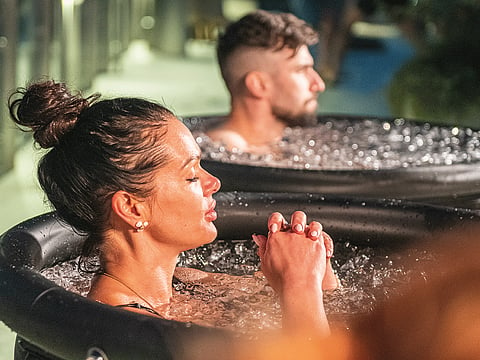
Recovery has become fitness’ newest obsession. Scroll through social media after any marathon or gym session and you’ll see athletes lowering themselves into ice baths, slipping on compression boots or tracking every minute of sleep. Recovery has evolved into an industry of its own, promising faster gains, fewer injuries and improved performance. Some of these methods are backed by solid research. Others are still waiting for stronger evidence. Knowing the difference can save both time and money.
Sleep remains the gold standard
No recovery tool comes close to the benefits of a good night’s sleep. During deep sleep, the body repairs muscle tissue, restores energy stores and releases growth hormones, which plays an important role in recovery after exercise.
Professor Shona Halson, a recovery and sleep researcher at the Australian Catholic University, told Runner’s World that sleep is “the single best recovery strategy available to athletes.” It costs nothing, carries no risk and consistently outperforms expensive gadgets when it comes to helping the body recover.
Most adults should aim for seven to nine hours of quality sleep, with athletes and people training intensely often benefiting from even more.
Mobility deserves more attention
Foam rollers, stretching routines and mobility sessions have become staples in gyms, and for good reason. While they may not dramatically speed up muscle recovery, they can reduce stiffness, improve flexibility and help maintain joint movement.
Sports physiotherapist Dr Kelly Starrett has long argued that mobility should be viewed as daily maintenance rather than an occasional fix for sore muscles. Spending just 10 to 15 minutes working through tight hips, shoulders and ankles can improve movement quality and make future workouts feel easier.
Compression boots offer short-term relief
Compression boots have become increasingly popular among endurance athletes and gym enthusiasts. The inflatable sleeves rhythmically squeeze the legs, encouraging blood and fluid movement.
Research suggests they can reduce the sensation of muscle soreness and tiredness after demanding exercise. The evidence is less convincing when it comes to improving long-term athletic performance or speeding muscle repair.
If they leave you feeling refreshed after a hard training session, they can be a useful addition to a recovery routine. They should not replace proper nutrition, hydration or sleep.
Ice baths still divide experts
Cold-water immersion remains one of the most debated recovery methods. Sitting in icy water after strenuous exercise can reduce soreness and temporarily limit inflammation, making it popular among elite athletes during tournaments or periods of repeated competition.
Professor David Bishop, an exercise physiologist at Victoria University, told The New York Times that ice baths are most useful when athletes need to recover quickly between events. He also noted that routinely reducing inflammation after every strength workout may interfere with some of the body’s natural adaptations that help build muscle.
For recreational exercisers lifting weights a few times a week, ice baths are unlikely to be essential.
Infrared saunas show promise
Infrared saunas have attracted attention for their ability to warm the body at lower temperatures than traditional saunas. Early studies suggest they may improve circulation, reduce muscle soreness and promote relaxation.
Researchers caution that much of the evidence remains limited, with larger studies still needed before firm conclusions can be drawn. For many people, the greatest benefit may come from the opportunity to unwind and reduce stress after training.
Sleep trackers can encourage healthier habits
Wearable devices now estimate sleep quality, recovery scores and training readiness using heart rate variability and other measurements. These numbers can help identify poor sleep patterns or signs of excessive fatigue.
Experts also warn against becoming overly dependent on the data. A disappointing recovery score should not automatically determine whether you train that day. The numbers work best when combined with how your body actually feels.
The best recovery plan remains surprisingly simple. Prioritise sleep, eat enough protein and carbohydrates, stay hydrated, keep moving with regular mobility work and allow time between demanding sessions. The latest gadgets can play a supporting role, though science still suggests that the fundamentals continue to deliver the greatest rewards.


