
Debolina Das: Transforming table tennis and empowering future generations
From Bengal to the UAE, a table tennis champion now mentors the next generation
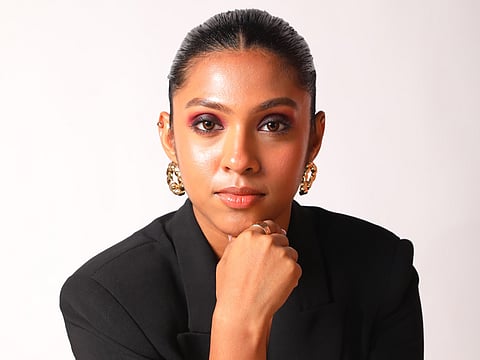
Debolina Das was twelve when a moment of loss quietly reshaped the direction of her life. Growing up in a modest town in Howrah, Bengal, she had already begun playing table tennis with determination. When her father passed away, his final wish was simple yet powerful: he wanted to see his daughter represent the country. The promise transformed how she approached the sport. “That moment transformed table tennis from a sport into a responsibility,” she says.
The journey from a small town in eastern India to international competition demanded persistence. Access to elite coaching and infrastructure in Howrah was limited, and opportunities were scarce. Das began competing in district tournaments before progressing to state championships and eventually participating in senior national competitions. Each milestone strengthened her belief that talent and discipline could overcome circumstance.
Her first appearance on the international stage confirmed that belief. Competing against athletes from across the world brought a clear realisation about what truly separates players. “The first time I competed at the international level, I realised that the gap between a small town and the international stage is not location. It is mindset,” she says.
Confidence, she explains, did not grow through trophies alone. It developed through perseverance. Travelling alone for tournaments, training through setbacks and competing in arenas where she was not considered the favourite became defining experiences. “Confidence did not come from podium finishes,” she says. “It came from perseverance.” Over time, the sport gave her the self-trust that later allowed her to imagine building something beyond her own competitive career.
Today, Das continues to compete while also shaping a new chapter as a mentor and entrepreneur. She represents Sharjah Women’s Club in the UAE Women’s Table Tennis League and is developing structured training programmes in Dubai and Sharjah through partnerships, including collaboration with the Sharjah Badminton Academy.
Confidence did not come from podium finishes, it came from perseverance.Debolina Das
Balancing competition with mentorship allows her to remain closely connected to the sport while helping shape its future. She chose to begin mentoring while still actively competing because she believed her experiences could have the greatest impact during this stage of her career. “I felt that my experience as a player could be most meaningful if I began mentoring early while I am still actively competing,” she says.
The transition from athlete to mentor has required a broader perspective. During her playing career, preparation and performance were the central focus. Building academies introduced a different responsibility. “As an athlete, you are responsible only for your own performance,” she says. “As an entrepreneur and mentor, you become responsible for creating opportunities for others.”
Empowering girls through sport stands at the centre of that mission. Within her academies, Das aims to create environments where young athletes feel confident, respected and encouraged to pursue their ambitions. “Empowerment through sport means creating a space where girls feel confident, respected and supported to chase their ambitions,” she says.
Her own upbringing continues to influence her priorities. Growing up in a small town exposed her to the financial and social barriers that often discourage talented girls from pursuing athletics seriously. One of her long-term goals is to support and sponsor underprivileged girls from her hometown who want to pursue sport but lack resources.
Despite growing visibility for women in athletics, Das believes perception remains a challenge. “The biggest barrier is still mindset,” she says, noting that in many places sport for girls is still seen as a hobby rather than a serious career.
She points to the UAE as an example of how strong institutional support can change those perceptions. With leagues, facilities and professional opportunities available, young athletes can see women competing, mentoring and leading programmes.
“When young girls see women competing, mentoring and leading sports programmes, it changes their perception of what is possible,” she says.
On International Women’s Day, her message to young girls reflects the journey she began in Howrah. “Never let your starting point define your limits,” she says. “Do not wait for ideal conditions. Start where you are, develop your skills, strengthen your character and stay disciplined.”


