Poignant prose
The heart-wrenching tale of three friends whose husbands are consumed by the violence and trauma of the Second World War
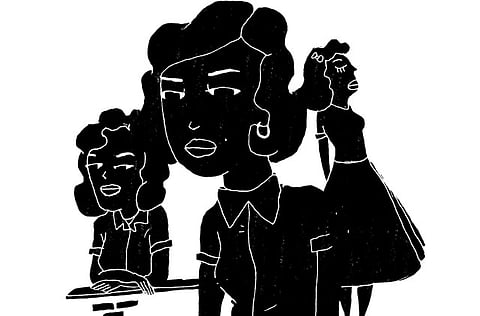
During the Second World War, 416,800 American troops died: fathers, brothers, husbands and sons were drafted and sent to war. But what happened to the women left behind?
Ellen Feldman's heart-wrenching tale of three best friends who quickly marry their first loves before they are sent to the front line, delves into the lives of the women left behind and the scars that remain after the conflict.
On one fateful morning in 1944, the lives of childhood best friends Grace, Babe and Millie change for ever when 16 telegrams clack through from the Washington War Department. After the worst news the small town can imagine is delivered in one go, the three women have to rebuild their lives from scratch.
However, it isn't just grief that consumes their lives. The women and their town are faced with not just loss but anti-Semitism, post-traumatic stress disorder (PTSD), sexual assault, racism and sexism.
From losing their virginity and marrying their boyfriends before the war, to coping with town gossip and raising their children alone, the three women stick together through everything that life throws at them.
Next to Love is not just about the question of what happens to wives, children and families when soldiers don't return from the front line; it is about what happens to marriages when they do come back. For some, the war abroad might be over, but the war at home has only just begun.
Feldman writes with frightening clarity, her chapters overflowing with poignant, descriptive prose. What is possibly the most hard-hitting notion is that the stories she weaves around the three women are based on historical facts.
Women did marry their sweethearts just before they were sent away for years of trauma in the Second World War; men did return with PTSD, a then-unrecognised condition; and some women were left to raise children on their own while others suddenly had to play wives to men who were ravaged by conflict and who they hadn't seen for years.
Narrative transitions throughout Next to Love flow seamlessly. While Babe, Millie and Grace remain the three key narrators, narrative perspectives develop as the storyline advances. A series of letters between the new wives and their husbands away at war speaks volumes — not so much in what the letters say but in what they don't.
Second World War soldiers often wrote home as a form of escapism, not wanting to describe the tragedies they were witnessing, the horrors they came face-to-face with. Thoughts of home and reminders from loved ones that they were still waiting for their return boosted their morale and kept their spirits up during the war.
The letters were also symbolic: Some got lost and never reached their intended recipient, leaving wives wondering why there were no replies; sometimes when soldiers died, the letters returned stamped "deceased"; and husbands' bodies were repatriated with their wives' letters enclosed. The letters also serve as a cut-off point in terms of plot. They are a symbolic end to a chapter, and the end to chapters in the women's lives.
Feldman, a writer of fiction and social history, is also the author of the Orange Prize-shortlisted Scottsboro, The Boy Who Loved Anne Frank and Lucy. She is a 2009 Guggenheim fellow and has also published book reviews.
Next to LoveBy Ellen Feldman, Picador, 256 pages, £12.99
Sign up for the Daily Briefing
Get the latest news and updates straight to your inbox


