
How insulated bottles keep your drink cold for hours
Learn how vacuum insulated bottles keep drinks cold for hours, what the double wall does
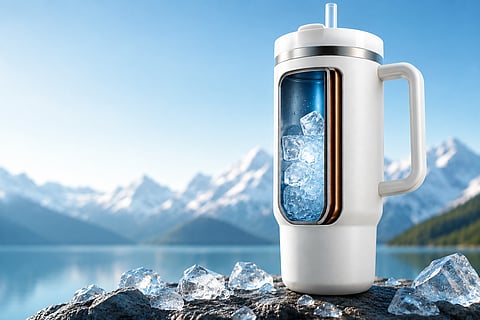
The satisfying crack of ice still floating in a bottle late in the afternoon feels almost like a magic trick. Fill an ordinary plastic bottle with cold water and ice in the morning, and much of it will have warmed within a few hours. Pour the same drink into a well made insulated bottle, and the ice may still be there long after lunch. The difference has very little to do with the metal you can see. Instead, it comes down to an invisible layer trapped inside the bottle's walls.
The idea is surprisingly old. Scottish physicist Sir James Dewar developed the first practical vacuum flask in the late nineteenth century while working with extremely cold scientific materials. Modern insulated bottles borrow the same principle, although advances in stainless steel manufacturing, sealing technology and lid design have made them lighter, tougher and more practical for everyday use. Understanding how they work makes it much easier to separate meaningful features from clever marketing.
What is vacuum insulation?
Every cold drink naturally absorbs heat from its surroundings. Physics allows this to happen in three main ways: conduction, convection and radiation.
Conduction occurs when heat moves through direct contact. If you place an ice cube on a warm countertop, heat flows from the surface into the ice. Convection transfers heat through moving air or liquids. Even still air slowly circulates around a bottle, continually bringing warmer air into contact with its surface. Radiation works differently. All objects emit infrared energy, allowing heat to travel even through empty space.
An insulated bottle is designed to slow all three processes at once.
Instead of a single layer of stainless steel, a vacuum bottle uses two walls separated by a sealed space from which almost all air has been removed. With almost no air remaining, there is very little material available to carry heat by conduction or convection. Some manufacturers also polish or coat the inner surfaces to reflect radiant heat, reducing energy transfer even further.
The result is not perfect insulation. Heat still enters slowly through the bottle's neck, lid and any areas where the inner and outer walls connect. That is why every insulated bottle eventually warms up. The goal is not to stop heat entirely, but to reduce it enough that cold drinks remain refreshing for many hours.
The lid deserves just as much attention as the bottle itself. A poorly sealed lid allows warm air to circulate inside, while a secure gasket limits heat exchange and helps prevent leaks during transport.
Capacity also plays a role. Larger bottles often stay cold longer because a greater volume of liquid changes temperature more slowly than a smaller one. The amount of ice inside matters as well. As ice melts, it absorbs a considerable amount of heat before the drink itself begins warming, acting as an additional cooling reserve.
Who uses insulated bottles and why?
Insulated bottles have become common because they solve a practical everyday problem rather than serving a single specialist purpose.
Many commuters fill one before leaving home so water or coffee remains at the desired temperature throughout the journey. Office workers often appreciate not having to refill drinks repeatedly or rely on shared refrigerators. Students carry them through long school or university days, while parents frequently pack insulated bottles into lunch bags alongside reusable ice packs to help keep food cool until mealtime.
Outdoor activities provide another obvious use. Walkers, cyclists and beachgoers often spend several hours away from refrigeration, making temperature retention far more noticeable than it would be indoors. In warm climates, even a short period inside a parked car can quickly raise the temperature of an ordinary bottle, while a quality vacuum flask slows that process considerably.
The same technology works both ways. Because heat transfer is reduced in either direction, insulated bottles can also keep hot drinks warm for extended periods. This versatility explains why many people use the same bottle throughout the year, switching between iced water in summer and coffee or tea during cooler months.
Environmental considerations have also contributed to their popularity. Reusable bottles reduce dependence on single use plastic bottles, especially for people who carry drinking water every day. Although manufacturing stainless steel requires energy, regular long term use helps spread that environmental cost over many years instead of a single use.
What to look for when buying
A well made insulated bottle is more than a stainless steel container with a stylish finish. Several design choices determine how effectively it slows heat transfer and how pleasant it is to use every day.
The first feature to check is genuine double wall vacuum insulation. Most reputable manufacturers clearly state that the air between the inner and outer walls has been removed to create a vacuum. This construction is what delivers long lasting temperature retention. A simple double wall bottle without a vacuum provides noticeably less insulation.
Material quality matters too. Food grade stainless steel, commonly 18/8 stainless steel, resists rust, staining and odours while standing up well to everyday use. It also avoids transferring flavours between drinks, making it suitable for everything from water to coffee.
The lid deserves as much attention as the bottle itself. A secure, well sealed lid limits heat exchange and helps prevent spills. Depending on how you plan to use the bottle, you may prefer a straw lid for cold drinks, a sliding sip lid for commuting or a traditional screw cap for maximum insulation.
Size should match your routine rather than simply choosing the largest bottle available. A large tumbler can reduce the need for refills during a working day, while a compact flask fits more easily into handbags, backpacks and cup holders.
Marketing claims also deserve a little perspective. Extremely long temperature retention figures are usually measured under controlled laboratory conditions with a full bottle and tightly closed lid. Opening the bottle frequently, adding warm ingredients or leaving it in direct sunlight all reduce real world performance. Looking at overall build quality, lid design and manufacturer reputation often tells you more than a headline number alone.
Reusable ice packs can also make a noticeable difference when paired with insulated bottles. Although they do not improve the bottle's insulation itself, they help keep the surrounding environment cooler inside lunch bags and picnic coolers, reducing the amount of heat reaching the bottle in the first place.
Recommended products
Stanley The Flowstate Tumbler 890ml
The Stanley Flowstate has become one of the most recognisable insulated tumblers thanks to its combination of generous capacity and practical everyday design. Built with double wall vacuum insulation, it is designed to keep cold drinks chilled for extended periods while remaining comfortable to hold.
Its rotating lid offers multiple drinking positions, including a reusable straw opening, making it particularly convenient for people who sip throughout the day rather than finishing drinks in one sitting. The narrow base also fits many standard vehicle cup holders despite the large capacity.
Stanley's reputation for durable stainless steel construction makes this a strong choice for commuters, office workers and anyone who prefers carrying one large cold drink instead of multiple smaller bottles.
Owala SmoothSip Slider Stainless Steel Travel Mug
The SmoothSip Slider takes a different approach by prioritising comfortable drinking alongside effective insulation. Its sliding lid is designed for easy one handed operation while helping reduce heat exchange between the drink and the surrounding air.
Constructed from stainless steel with vacuum insulation, it is suitable for both cold beverages and hot drinks, making it a versatile option throughout the year. The streamlined design also makes it easy to carry between meetings, classrooms or daily commutes.
Readers looking for a travel mug rather than a large tumbler may appreciate its balance of portability and temperature retention without taking up excessive space in a backpack or work bag.
Thermosteel 350ml Vacuum Flask
Sometimes portability matters more than maximum capacity. The Thermosteel 350ml flask offers the same vacuum insulation principle in a compact format that slips easily into handbags, briefcases and smaller backpacks.
Its traditional screw top design reduces moving parts, helping create a secure seal while making it suitable for both hot and cold drinks. Stainless steel construction also provides durability for everyday use, whether it is packed into a work bag or carried during short trips.
This model is particularly well suited to readers who want a lightweight bottle for coffee, tea or water without carrying a larger tumbler throughout the day.
WORLD-BIO Reusable Ice Packs
Although reusable ice packs do not insulate drinks themselves, they work exceptionally well alongside vacuum bottles when transporting food and beverages. Placed inside lunch bags, picnic baskets or coolers, they help lower the surrounding temperature so insulated bottles absorb heat more slowly.
Unlike loose ice, reusable packs create less mess and can be frozen repeatedly. They are useful for school lunches, family outings and road trips where chilled food and drinks are stored together for several hours.
For readers already using an insulated bottle, reusable ice packs are an inexpensive way to improve overall cooling performance when refrigeration is unavailable.
Frequently asked questions
How does a vacuum insulated bottle keep drinks cold for so long?
A vacuum insulated bottle slows the three main forms of heat transfer: conduction, convection and radiation. The sealed vacuum between the inner and outer stainless steel walls contains almost no air, making it difficult for heat to move into the bottle. A well designed lid also limits warm air entering each time the bottle is closed. The result is that ice melts much more slowly than it would in a standard plastic or single wall metal bottle.
Does the type of lid make a difference?
Yes. Even the best insulated bottle can lose cooling performance if the lid allows heat to enter easily. Screw top lids generally provide the tightest seal, while straw and sliding lids prioritise convenience for frequent drinking. If maximum cold retention is your priority, keeping the lid closed whenever possible will usually extend performance.
Why do some insulated bottles perform better than others?
Vacuum insulation is only one part of the design. Manufacturing quality, stainless steel construction, lid sealing, wall thickness and overall build precision all influence performance. Premium brands often invest more in the vacuum sealing process and quality control, helping deliver more consistent temperature retention over years of use.
Can an insulated bottle keep drinks hot as well as cold?
Yes. Vacuum insulation works both ways. Because it slows heat transfer rather than actively cooling or heating the contents, the same bottle that keeps iced water cold can also help keep coffee or tea warm. Actual performance depends on the bottle's construction and how often the lid is opened during the day.
Do reusable ice packs make insulated bottles work better?
They complement insulated bottles rather than replacing them. A reusable ice pack helps lower the temperature inside a cooler or lunch bag, reducing the amount of heat surrounding the bottle. Combined with a quality insulated tumbler such as the Stanley The Flowstate Tumbler 890ml, this can help chilled drinks stay cooler for longer during travel, picnics or school lunches.
Verdict
The science behind insulated bottles is refreshingly straightforward. Rather than actively cooling your drink, they simply make it much harder for heat to get in. The vacuum between two stainless steel walls slows conduction and convection, while thoughtful lid design and quality construction further reduce heat transfer. That simple principle has remained effective for more than a century because the laws of physics have not changed.
Choosing the right bottle comes down to how you plan to use it. A compact vacuum flask suits short commutes and coffee breaks, while larger tumblers are ideal for long workdays, travel and outdoor activities. Pairing an insulated bottle with reusable ice packs can also improve cooling performance when transporting food and drinks together.
Among the products featured here, the Stanley The Flowstate Tumbler 890ml stands out as the strongest all round recommendation. Its generous capacity, vacuum insulated construction and practical rotating lid make it well suited to everyday use, whether you're commuting, working or spending time outdoors.
Gulf News earns a commission on purchases made through links in this article, at no extra cost to you. Our editorial team selects products independently.


