Philippines political family behind string of other murders
Ampatuans murdered 56 more people, besides last year's carnage
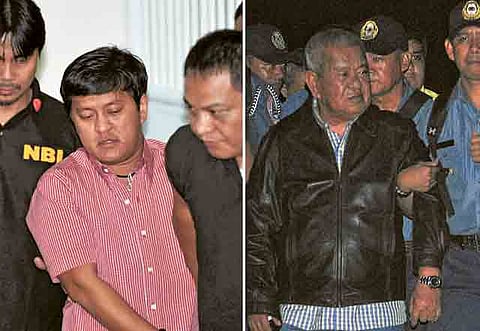
Manila: A powerful Muslim clan, whose members were charged with the killing of 57 people, including political rivals and 32 journalists, in an elections-related incident in the south Philippines in November 2009, have since 2001, also killed 56 other people, it has emerged.
Some were raped and mutilated, and yet former President Gloria Arroyo ignored these crimes because the family could not deliver winning votes for the ex-ruling party, a New York-based human rights group has claimed.
"For two decades the Ampatuans, led by Andal Ampatuan Senior, committed atrocities with a private army manned by police and soldiers carrying government-supplied weapons," said James Ross, the legal and policy director of the Human Rights Watch (HRW).
Some elder members of the Ampatuan family cut up the body of the man who was blamed for killing one of the leader's sons, Saudi Ampatuan, as well as killing 17 of his close relatives in a bombing incident in December 2002, Ross said in the HRW's 96-page report.
Gruesome revenge
The Ampatuans revenged the act by killing civilians, raping women and maiming children, he added. The victims were friends, political allies, or relatives of political rivals of the Ampatuans On one occasion, the clan killed a gun smuggler and a judge who were linked to militant separatist Muslim groups.
Based on the family's past criminal record, "the Maguindanao massacre in 2009 was not an aberration, but the foreseeable consequence of unchecked killings and other serious abuses," said Ross.
The Ampatuan family controlled power in Maguindanao for eight years, using brutal tactics to gain control and maintain their influence. They were helped in this respect by the fact Arroyo ignored victims complaints.
In 2002, 12 leaders from Maguindanao wrote to Arroyo blaming the Ampatuan family for killing 33 people, as well as other abuses, Ross said, adding that "President Arroyo was directly notified of Ampatuan abuses, yet failed to act".
Arroyo, who won a seat at the House of Representatives in the May 10 elections, did not comment on HRW's report. The findings were based on interviews with 80 people, including former members of the Ampatuan's paramilitary group and witnesses in the 2009 massacre. One of them was murdered and killed after he decided to testify against the Ampatuans over last year's incident.
These people were no longer afraid to talk because the Ampatuans were no longer in power, Ross explained.
Ampatuan Senior, his son, Ampatuan Junior, and four other relatives, were charged with the 2009 massacre in Maguindanao.
The Ampatuans allegedly held a meeting to plan a massacre which was meant to stop a political rival from running for the gubernatorial post of Maguindanao in the May 10 elections. Ampatuan Junior also had his eye on the post, which had been held for years by Ampatuan Senior.
The Ampatuans have denied the charges. They are among 196 people charged with the murders. Only 81 are in government custody, and 17 have so far been tried.
Military background
Ampatuan Senior was an ex-leader of a pro-government paramilitary force, trained to fight Muslim rebels in the south, Ross said.
The Arroyo administration used the Ampatuans to stop separatist Muslim rebels, who were also engaged in peace talks with the Philippine government. The government also funded and armed the 5,000 strong pro-government militia that served as private armies of the Ampatuans. The Ampatuans were members of the ruling Lakas, from 2001 to 2009. Lakas members ousted the Ampatuan after the Maguindanao massacre in 2009.
HRW's report was released before the one-year anniversary of last year's November 23 Maguindanao massacre.
Over 12 months after the incident, witnesses, relatives of victims and rights groups said that many of those who have been calling for justice are still being intimidated, coerced and bribed. They expressed fear that the trial might be prolonged and would be resolved out of court.


