Palestinian prisoners agree to end hunger strike
Palestinian prisoners in Israel end weekslong hunger strike after winning concessions
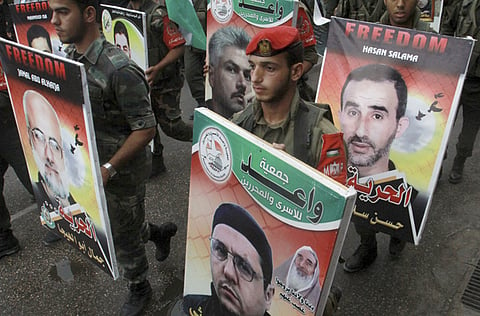
RAMALLAH, West Bank: Hundreds of Palestinian prisoners agreed Monday to end a weekslong hunger strike after winning concessions from Israel to improve their conditions and limit detentions without trial, the two sides announced, resolving a standoff that united Palestinians behind one of their most emotional causes.
The deal ended one of the largest prison protests ever staged by the Palestinians. Two men had refused food for 77 days, the longest ever Palestinian hunger strike, leaving them in life-threatening conditions, according to their supporters.
With the Palestinians set to hold an annual day of mourning on Tuesday, both sides were eager to wrap up a deal to lower tensions.
Both Israeli and Palestinian officials, as well as representatives of Palestinian militant groups, confirmed the deal had been signed on Monday afternoon. Egyptian mediators had brokered the deal, in which Palestinian officials from the West Bank, militant leaders and prisoner representatives participated over several days.
Two men launched the strike on Feb. 27, and were joined by hundreds of others on April 17.
Among their demands: permission to receive family visits from the Hamas-controlled Gaza Strip and an end to solitary confinement.
More ambitiously, they also demanded an end to an Israeli policy of "administrative detention," under which suspected militants are held for months, and sometimes years, without being charged. Israel has defended the policy as a necessary security measure.
Israel said it had granted many of the requests, including new limits on administrative detention. While the policy wasn't scrapped, detentions cannot be extended if Israel does not present additional intelligence information to a military court, according to the Shin Bet security agency.
The Shin Bet also said the roughly 400 prisoners from Gaza will now be allowed to receive family visits, like their West Bank brethren. The visits from Gaza were halted in 2006 after Hamas-linked militants in Gaza captured an Israeli soldier. After the soldier was released in a prisoner swap last October, the Palestinians said the ban should be lifted.


