'Sherpas are real heroes in the conquest of Everest'
Omani climber says trekkers just follow their footsteps
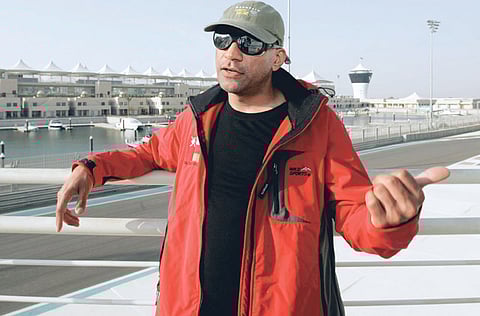
Abu Dhabi: After braving deadly weather conditions and deep ravines en route to conquering the highest peak in the world, Khalid Bin Sulaiman Al Siyabi, 37, says Sherpa guides who accompany those who summit Mt Everest are the real heroes of mountaineering.
Al Siyabi, who is the first Omani to scale the 8,848-metre high Mount Everest on May 23, said he was not the real hero. "Sherpas who reach the peak ahead of us and fix the rope for us are the real heroes; we just follow their footsteps," he told Gulf News at an Abu Dhabi hotel recently while transiting on his way back from Nepal to Muscat.
On the icy and snow-filled way to the Everest, he encountered a number of bodies of previous adventurers, exposed because ice had melted in unusually sunny conditions. "I had to remove several bodies to find the way ahead — some of them were skeletons or bones," he said.
Challenges
Witnessing a fellow climber suffer frostbite on the fingers and toes was another challenge.
"Those threats and the deep ravines to which you may fall down with a slight slip do not stop you; because it is a different mood on the mountains", Al Siyabi said. "If I see a body in front of me now; I may not dare to look at it; I may get upset, but on the mountains it is a different game, you have to come back to your life", he explained. He said braving the risks on the mountains does not mean that you are stonehearted.
"I am very sensitive in my real life; I cry when I am sad. But during the mountaineering you have a different mindset," he said. "Rather than making me tough, mountaineering makes me a better man after each attempt," Al Siyabi explained. "When you are immersed in nature, you have better thoughts", he said. "When you are back to the normal life after encountering all hardships, you tend to look at the brighter side of the life', Al Siyabi said. "You stop complaining about your family members, friends and all shortcomings in life, instead you find satisfaction with what you have in life," he explained.
Al Siyabi is a senior official at the Education Department of the Oman government. He said his wife and three sons also accompany him on his treks in Oman.
Do or die: Encountering the dead
Khalid Bin Sulaiman Al Siyabi saw the body of a Russian climber who may have died just before they reached that part of the mountain, which is close to the peak. "Even if we saw him alive, it would be difficult to save him because it needs at least nine people to carry a man on the mountains", he explained.
There are five camps on the way to the Everest and the helicopter reaches up to the second camp only. So if somebody gets sick above the second camp, fellow climbers are compelled to leave the patient there and escape from the deadly climate, Al Siyabi said. He has heard the news that a helicopter of the Nepali government has reached the peak once; but there is no official confirmation. Official version is that due to thin air on top of the Everest, helicopters cannot fly there and special types of helicopters have to be manufactured for that purpose, Al Siyabi explained. Contrary to popular belief, bodies of unsuccessful Everest adventurers do decompose. "Sometimes there is harsh sun which melts the ice and snow, causing the decomposition of the bodies," he said.

