Conservation diaries
Tracking South Africa's wildlife
As part of my foundation degree in animal management at Otley College in the UK, I am studying conservation. This gave me the opportunity to travel to South Africa for ten days with the college, staying at Mankwe Wildlife Reserve. The aim of the trip was to learn from the Mankwe staff and see conservation in action.
We arrived at Mankwe and were greeted by the handful of staff who manage the 12,000-acre wildlife reserve, about two hours from Johannesburg. The camp is in the heart of the reserve with no fences between us and the wildlife, which includes white rhino, zebra, jackals, giraffe and a number of antelope species. While we were eager to explore, our first evening was spent getting safety tips on avoiding some of the dangers of the reserve's less appealing wildlife; scorpions in our boots and snakes in the bed.
The first morning was one of the most memorable, when we were lucky enough to be able to participate in an active conservation effort for the native vulture species. We met the scientific research co-ordinator, Louis Phipps, who had captured a pair of white-backed vultures that morning. They required wing tags and a tracking device in order to allow staff to study their movements and feeding behaviour.
Numbers have been affected by persecution, habitat loss and the introduction of toxins into the food chain in the form of medicines used in cattle. This allowed us to handle the birds and aid the project directly, which was an incredible experience. One vulture was named Otley, after our college.
Over the next couple of days we learned about different management techniques such as surveys and transects (a path along which numbers of a species are recorded), which are used to keep records of the number of animals on site. This is important as each species has a role on the reserve and must be kept in balance.
Inspiring presence
Chief warden, Dougal MacTavish, was a big inspiration on the trip. He has 25 years of conservation experience in South Africa and Zimbabwe, during which time he has become a master tracker, Level 1 field guide and first aider. Under his supervision, we went on a game drive where we came across a herd of giraffe.
MacTavish gave some of us the opportunity to get out of the vehicle and move closer on foot. For me, this was the highlight of the trip. It was breathtaking to see these animals in their natural environment.
The next day we were taken out on foot again to see how MacTavish and his staff use field signs, such as footprints, to identify how many animals were in an area, where they went and how long ago. He was even able to show us how to spot a snake track and identify the direction it was travelling in by examining a few pebbles in the dirt.
That night at Mankwe, we experienced �a spectacular electrical storm, with lightning striking the ground just a few metres away from our chalet.
The following day we set out for another transect recording the mammals we encountered, which included zebra, impala, blesbok and kudu. However, the real excitement came while waiting for our vehicle to pick us up. ‘Patrol', the dominant male bull rhino, had come across our scent and followed us. Needless to say, it was lucky we had not been seen and were down wind of the territorial, two-tonne rhino who we had already heard a few stories about. Most of those stories involved running from, hiding from or climbing up a tree to escape the particularly dangerous rhino who, we had been warned, doesn't take too kindly to the sound of camera shutters. Thankfully, he eventually followed the road in the opposite direction much to the relief of our guides.
Towards the end of our stay in South Africa, a few staff members took us out of the reserve for a day to visit Pilanesberg national park. It contains a wider variety of animals and they come across human activity on a daily basis. This allowed us to get closer to animals such as impala, zebra, giraffe, vervet monkeys and rhino than we could at Mankwe. However, unlike Mankwe, the presence of lions and other dangerous animals meant we could not leave the vehicles.
On our return, we went on an anti-poaching patrol with MacTavish and a pair of trackers. Though we found no snares or evidence of recent poaching activity it was a good opportunity to see how skilled the professional trackers are and to hear some nearby baboons barking, which was unnerving. We later had an educational field exercise in understanding the importance of land management when working in an environment that supports so many herbivores.
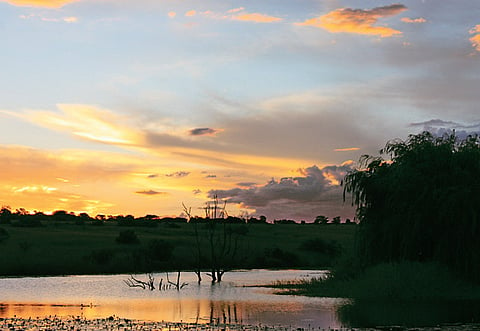
We spent our last night at Mankwe at the highest point of the reserve to watch the sunset. After saying our goodbyes and thanking everyone for their hospitality, we headed to the DeWildt Cheetah centre before leaving for the airport. Besides cheetahs, they keep honey badgers, brown hyenas, caracals and African wild dogs. The centre plays a strong part in cheetah conservation.
An amazing experience
Visiting South Africa for this trip was amazing. We used what we learnt to help with our coursework, most of which is directly focused on the Mankwe management strategies.
Seeing animals in their natural habitat and meeting talented trackers was an important part of understanding practical conservation methods that places such as Mankwe Wildlife Reserve implement so effectively.


