Brandocracy politics made simple!
In a large democracy such as India, people vote for brands rather than individuals. We give you a low-down on some of the popular ones, what they promise to offer and what they actually have in the past
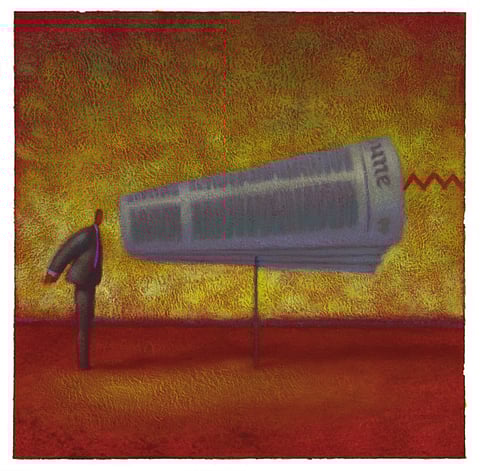
The conundrum of a large democracy is that while your vote decides your literal future, you can’t really vote for a person or a party — you can only vote for a brand! It’s one thing to vote for the sarpanch (village headman) you know personally and can vouch for, and another altogether to vote on the basis of what campaigners (for and against) want you to believe. The Indian general elections being the most looked-forward-to event of 2014, let’s have a look at the top brands on offer and what they stand for.
Actions speak louder
A brand’s actions need to substantiate its stated attributes for it to be experienced consistently and come across as authentic. Top of the heap are the incumbent Congress, the biggest challenger BJP, and the new kid on the block who caught the public’s imagination, the AAP. Congress of course has the longest brand history, and therefore both heightened attention and expectations, while the BJP as a ruling party has a chequered history, with its reputation having been founded on being a strong opposition party. The AAP comes with shiny promises of a fairy-tale land where everyone can have chocolate from the fountain all day complete with witches and wizards to burn at the stake.
Corruption-free nation
The AAP promises squeaky-clean administration with equal opportunity and access to all socio-economic classes — clearly socialist leanings. And of course, the much touted “simplicity” of austere living as the aam aadmi (the common man). They stay away from the harder questions of what would fund all these opportunities and access without the essential growth in national GDP, on the back of socialist policies. But having won in Delhi, their brand attribute of simplicity is already under threat for first agreeing to a five-bedroom duplex (subsequently refused) or accepting government cars without the lal batti (flashing red VIP lights) over travelling by public transport — since the aam aadmi couldn’t have afforded that.
Faces behind brands
So as the elections draw close, India’s citizens have rather mixed cultural, social or psychological brand messages to decide their votes on. Of course, the introduction of none of the above (Nota) to the mix makes this race even more interesting. One can choose to buy one of the brands or leave the shop having rejected all of them. Beyond the brands projected through national, regional, broadcast media, social media, records and reports of some deeds and misdeeds — the final votes would be cast based on the emotional connect these brands have been able to make with its voters. So goes on the democratic process of choosing exactly what you want and who you want and how. But sometimes even if it’s that brand you always coveted and which looked absolutely stunning online with its absolutely-can’t-refuse price tag — it’s only when you buy it that you realise it’s really not what you thought it would be. And for this election, none of the parties’ prime ministerial candidates has ever really been tried for size in nation-building or management.
— Madhuri Sen is Managing Director, India, at Waggener Edstrom Communications, with more than two decades of multiplatform marketing and communications consulting experience across sectors.


