Meta slashes 8,000 jobs, or 10% of its workforce, as Microsoft offers buyouts
Workforce shake-up at Meta and Microsoft underscores high price of AI ambitions
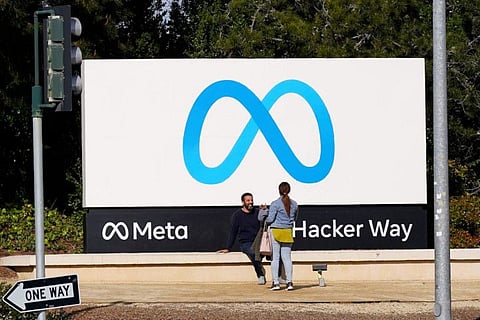
Meta is laying off about 8,000 workers, or about 10% of its workforce, the company said Thursday as it continues to ramp up spending on artificial intelligence (AI) infrastructure and highly paid AI-expert hires.
The company said it was making the cuts for the sake of efficiency and to allow new investments in parts of its business, as first reported by Bloomberg, which also said the company will leave about 6,000 jobs unfilled.


Microsoft offers voluntary buyouts
Also Thursday, Microsoft said it was offering voluntary buyouts to thousands of its US employees.
The software giant plans to make the offers in early May to about 8,750 people, or 7% of its US workforce, according to two people familiar with the plan who were not authorized to speak about it publicly.
While an alternative to the sudden layoffs removing tech workers from peers like Meta and Oracle, the savings are likely tied to a similar industry upheaval that is requiring huge spending on the costs of artificial intelligence.
Meta has already warned investors that its 2026 expenses will grow significantly — to the range of $162 billion to $169 billion — driven by infrastructure costs and employee compensation, particularly for the artificial intelligence experts it’s been hiring at eye-popping pay levels.
Wedbush analyst Dan Ives welcomed Meta’s cuts in a note to investors Thursday.
Streamlining tasks
He said he sees it as part of a strategy of using AI tools to “automate tasks that once required large teams, allowing the company to streamline operations and reduce costs while maintaining productivity driving an increased need for a leaner operating structure.”
Microsoft, based in Redmond, Washington, has spent billions of dollars operating an ever-expanding global network of data centers powering cloud computing services, AI systems and its own suite of productivity tools, including the AI assistant Copilot.
CNBC reported earlier Thursday on a memo from Microsoft's chief people officer, Amy Coleman, announcing the voluntary retirement plan.
“Our hope is that this program gives those eligible the choice to take that next step on their own terms, with generous company support,” Coleman wrote, according to CNBC.


