Why is today’s exam stress so serious
Some dismiss students as snowflakes. But the pressure they are under is real — and anything that helps is important
Students seem to really like the idea, particularly those who are missing pets at home. Cambridge colleges are not notably animal-friendly; and almost everybody at some point in their lives has found a pet soothing, reassuring and cheering. I see a clutch of chirpy, laughing students playing with these affable, squeaking new recruits to my college. It was all so innocent, and such a pleasant contrast to the doomy, over-serious and panicky atmosphere running up to the exams. But inevitably the story was picked up by the national press, and the word “snowflake” appeared in headlines. This was, it seemed, yet another surrender of sturdy, self-reliant adult common sense to the drippy whinings of the don’t-know-they’re-born millennial generation. The subtext was glaringly obvious: They’ve got iPhones, they can choose vegan food in the cafeteria, and now they want guinea pigs as well. Where will the madness end?
What I know, as head of a college, is that self-harm, eating disorders, breakdowns and suicide attempts — some, appallingly, successful — have become common at many of our universities. Almost all my colleagues have had first-hand experience of desperately sad and frightening crises. At Bristol university, there have been 10 student deaths in little over 18 months. And it isn’t only at university level that there is rising unease about the pressure being put on vulnerable students by exams. Many parents are now watching their teenagers struggle to attain the best grades at GCSE and A-level.
To many of an older generation, all this is bemusing. Didn’t we always have tough exams, for which we slaved and revised night after night? Didn’t we always arrive in the exam hall with a dry mouth and a fast-beating heart? And didn’t we, by and large, come through all right? What is wrong with this lot?
Such criticisms are so wrong and so misconceived that they need a forthright rebuttal. We seem to be living through an entirely unnecessary and mostly pointless generational war, which consists of baby boomers, and those a little younger, utterly failing to understand what is facing millennials. Millennials respond with jargon and provocation of their own, all of it whipped up by a media delighted to find a new source of controversy. I’m of the postwar generation, and those of us who went to university mostly got the education for free — complete with maintenance grants funded by poorer taxpayers, most of whom had little chance of getting to university themselves. We didn’t worry hugely about what class of degree we got, except for a small minority who desperately wanted to go into the civil service or become academics themselves, it didn’t seem to matter very much.
For almost all of us, there were good jobs waiting. And because those jobs were, thanks to unionised workplaces, reasonably well paid, and because house price mania hadn’t taken over, we were quite soon able to afford to buy our own homes. We had no student debt hanging over us. Unemployment benefit was available to subsidise vacations when we needed to catch up on academic work. The economy wasn’t roaring ahead in the days of Harold Wilson, Jim Callaghan and early Margaret Thatcher — but we were.
So, I sometimes think: how dare we, who had it so easy, sneer with such self-regarding complacency at today’s students, with debt piled on their backs like gigantic rucksacks; who face a ruthless and much more selective job market, in which to fail to get a first can immediately exclude you from the career you have always dreamed of; and who, even if they succeed in those super-pressurised final year exams, have a vanishingly small chance of owning their own home until they are well into their 30s or beyond.
Yes, it’s true, they have political agendas on race, sexuality, gender and food that can seem alien to students of the 1960s and 1970s. And they sometimes appear — as all young people have always seemed to older generations — a little arrogant and entitled. But they certainly know how to work. And they are super-serious, focused and alert to the challenges ahead.
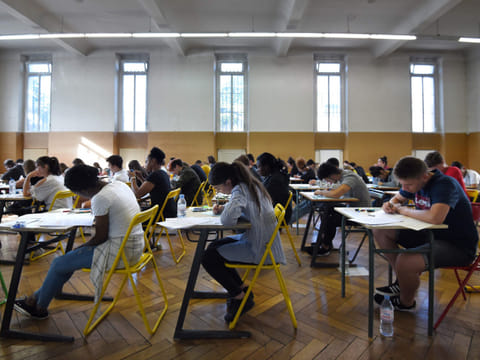
As I look at their faces and see the stress and tension building up as exams come closer, I recognise this is real pressure.
— Guardian News & Media Ltd
Jackie Ashley is president of Lucy Cavendish College, Cambridge.


