Saudi Arabia has vital role in Afghan talks
Any effort to stop the violence is worthwhile, even if there is a risk of failure
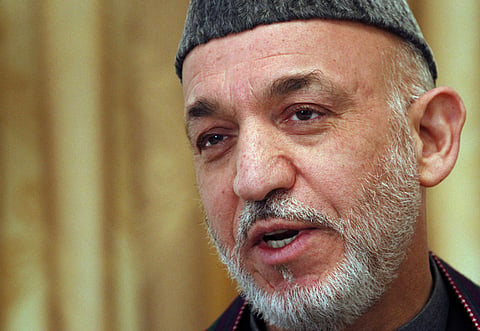
Afghan President Hamid Karzai has asked the Saudis to help open a dialogue with those Taliban who are not linked to Al Qaida. Karzai met Saudi King Abdullah Bin Abdul Aziz last week and discussed this, although the Saudis probably remain fairly cautious after hosting talks between the Taliban and Afghan officials last year, which failed.
Nonetheless, it is right for the Taliban and the Afghan government to find some political end to their war and the Saudis have the political prestige which will help them bring the parties together. Other possible intermediaries, such as the Pakistanis, are far too close to the action although their views are essential to be included at the start of such a process, and their support will be vital to bringing about any success.
Such talks will not be easy since they involve dealing with a variety of Pashtun leaders but the Saudis will be able to find their way through this complicated scenario, helped by their prestige of being guardians of the holy sites of Islam. In addition, the Saudis also carry the extra international credibility that they have been fighting Al Qaida and its followers for years, so no one from the war against terror will feel that they are being easy on those Taliban who might have been closer to Al Qaida than others.
The long-term strategy is becoming clear: The Afghan government and Nato will separate their two strategies for anti-terrorism, in which their enemy is Al Qaida; and anti-insurgency in which they are fighting the Taliban. This distinction is very important for South Asia and the Middle East, since the almost endemic violence in Afghanistan is helping fuel widespread violence in the region. Any effort to stop this is a worthwhile task, even if there is a risk of failure.


