Daily tea linked to stronger hip bones in older women, heavy coffee intake tied to slight bone loss, study finds
Study of nearly 1 million people ties scalding drinks to higher cancer odds
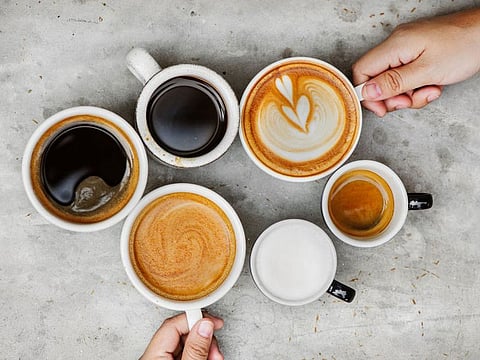
Here's a plot twist for your morning routine: The drink in your mug might be shaping your skeleton.
A new study out of Flinders University spent a full decade watching nearly 10,000 women over 65 to see what their daily coffee and tea habits were doing to their bones, specifically the hip and femoral neck, two hotspots for fracture risk as we age. Published in Nutrients, it's one of the longer-running looks at this question, and the results suggest your beverage of choice might actually matter more than you'd think.
Team tea gets a cold star
Women who regularly drank tea ended up with slightly higher hip bone density than non-tea-drinkers. It wasn't a dramatic difference, but it was statistically real, and researchers think catechins, the plant compounds tea is loaded with, may be doing quiet work behind the scenes, encouraging bone formation while slowing down bone breakdown. Co-author Ryan Liu points to these catechins as a likely driver of the effect.
The benefit showed up even more clearly in women with obesity, suggesting tea's bone-boosting powers might not be one-size-fits-all — some bodies may get more out of it than others.
Coffee: Fine in moderation, less fine in excess
Coffee's story is a bit more nuanced. Two to three cups a day? No red flags, bone density looked essentially unaffected. But cross the five-cup-a-day line, and bone density started dipping. The likely culprit is caffeine itself, which lab studies suggest can interfere with how the body absorbs calcium and processes bone metabolism. The silver lining: those effects appear small, and splashing in some milk may help offset them.
So... should you switch to tea?
Not exactly, and the researchers are careful about that. Associate Professor Enwu Liu is blunt about not overselling the findings: nobody needs to quit coffee cold turkey or start chugging tea by the gallon. The effects observed, while statistically meaningful across a large group, were modest at the individual level.
Instead, think of it as a nudge rather than a rulebook. Calcium and vitamin D are still doing the heavy lifting when it comes to bone health. But this research adds a new layer to the conversation: what's in your cup might be a small, easy variable worth paying attention to — especially for older women looking for low-effort ways to support long-term bone strength.
As Liu puts it, that daily cup of tea might be more than just a cozy ritual — it could be a small, steady investment in stronger bones down the line.

