Ghana’s growth vision: Create two million jobs and boost productivity
The plan backs three-shift operations with tax relief and targeted financing
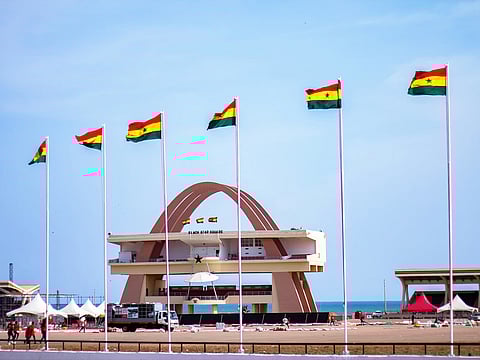
In July 2025, President John Mahama launched the 24-Hour Economy strategy, designed to create two million jobs and lift productivity. The plan encourages firms to operate in three eight-hour shifts, backed by new legislation and incentives including tax relief and targeted financing. “The 24-Hour Economy is not just about working longer hours. It is about creating an enabling framework for productivity,” Mahama said at the launch.
The initiative is central to the president’s push to diversify Ghana’s economy. “Our development model must decisively move away from excessive dependence on raw material exports towards value addition, industrial production and knowledge-based enterprise,” he said. That approach is reflected in initiatives such as the Legon Pharmaceutical Innovation Park, which offers tax incentives and discounted power to local manufacturers.
In parallel, a $1bn UAE-backed agreement is set to establish Africa’s largest AI and technology hub in Ghana, highlighting rising Emirati investment. “The Ghana-UAE relationship is poised for significant growth,” says Hammed Rashid Tunde Ali, Ghana’s ambassador to the UAE.
These moves come as economic indicators strengthen. The economy expanded by 6.1 per cent in the first three quarters of 2025, with non-oil GDP rising 7.5 per cent, pointing to broader-based growth. A firmer cedi, easing inflation and higher gold reserves have contributed to a robust economic recovery, providing a platform for sustained industrial expansion.


