When COVID-19 struck home in India
Virtual condolence meetings may be a poor substitute for being with the mourner
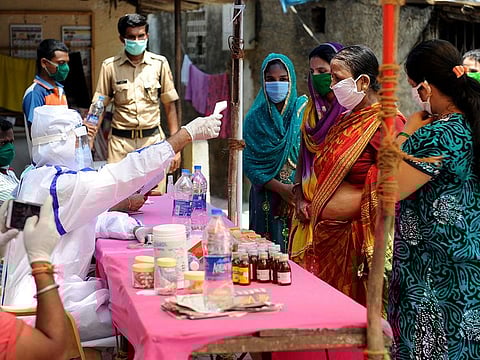
The pandemic has consumed our lives and taken away our loved ones. Being with your family in such times helps to bear the loss. But we are deprived of the chance to be with those who have suffered a devastating loss. The person who has suffered the loss of a spouse is unable to come to terms with the death and moving forward is impossible. In ordinary circumstances the company of family members and close friends helps in such a situation but what does one do in a pandemic?
There have been no final goodbyes, no last glimpse of the one who has passed on. The poignancy of the situation was brought home to me recently when my brother-in-law passed away three days after being admitted to a hospital in India on testing positive. We were not expecting this. We were hopeful of his recovery but on the third day he suffered a cardiac arrest and the doctors were unable to save him. Little did my sister know that when she went with him on the day he was admitted that it would be the last time she would see him. Once he was admitted, no visitors were allowed and we had to wait for the call from the doctor to give us information on how he was faring.
The wait was agonising and the uncertainty nerve-racking but we clung to the hope that he seemed to be responding to treatment. The late night call dashed all our hopes and left us reeling from the shock. My nephew collected his body the next morning and took it to the crematorium. What was so sad was that the only mourners apart from his son were his younger brother and a family friend. By this time my sister had also tested positive and there was no way she could pay her final farewell. This was a hugely popular man, the life and soul of any gathering with friends and family.
There are seven stages of grief, the first being disbelief and numbed feelings. This is what my sister is going through right now. My heart aches when she tells me that it’s strange but she is unable to cry. I know she will heal with time but acceptance is hard. People react differently to death, especially in the difficult time we all are going through. In India, there have been many instances of relatives of Covid victims lashing out at doctors and nurses in their helplessness and inability to come to terms with such senseless deaths. These front-line workers are not only working without a break and at risk to their own lives but also facing abuse from victims’ kin.
Social distancing is taking its toll too. In a bizarre incident in my home state, a mother-in-law who tested positive forcibly hugged her daughter-in-law and infected her as she was affronted at being kept at a distance from her family and did not appreciate being treated like a pariah. To make matters worse, the daughter-in-law was thrown out of the house after testing positive.
Pandemic grief is hard to tackle as a result of individuals being unable to share their feelings of loss with others, reminiscing about the good times and feeling some consolation in the fact that there are so many others who share the sense of loss. Being with others gives the person who is grieving an opportunity to express thoughts and feelings about the deceased and also draws much-needed social support.
Psychologically speaking, death rituals like funerals and eulogies are very important. But the pandemic has robbed many societies of even this. Somehow virtual condolence meetings are fine, but may be a poor substitute for being with the mourner, holding their hand. Words aren’t important at such a time.
Vanaja Rao is a freelance writer based in Hyderabad, India


