Nine yoga postures for your wellbeing
These nine types of yoga postures helps in keeping you strong, steady and composed
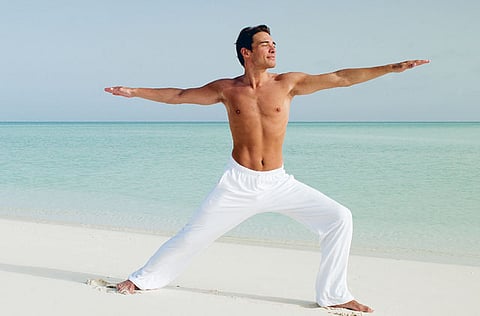
Do you often wonder what the value of each type of yoga position is? All yoga positions help you develop strength and flexibility but they also offer some specific benefits.
Standing poses
These are included in many poses and help align the feet and the body. This type of position is especially useful in improving posture. Standing poses strengthen the legs while simultaneously increasing flexibility in the hips and the legs. They add to the mobility of the neck and the shoulders and increase flexibility in the pelvis and the lower back. One of the most basic standing poses is the Mountain Pose.
Seated poses
These poses help increase flexibility in the hips and the lower back. They also strengthen the back. They add suppleness to the spine and elasticity to the hips, knees, ankles and groin. They also encourage deeper breathing, which contributes to a feeling of calm and peace.
Forward bends
This type of yoga position helps stretch the lower back and the hamstrings. Forward bends also release tension in the back, the neck and the shoulders and increase the flexibility of the spine. These also help in bringing about a sense of relaxation.
Back bends
These postures open up the chest, the rib cage and the hips. They strengthen the arms and the shoulders and simultaneously increase flexibility in the shoulders. They help relieve tension from the hips and also increase spinal stability. Pair back bends with forward bends to maintain balance in the body.
Balance
These postures help develop muscle tone and coordination and also help increase strength and agility. They improve posture, helping elongate the spine, thus maintaining balance in the body. This type of position helps train the mind to focus.
Twists
Twists help release tension in the spine and increase shoulder and hip mobility. They also help relieve backaches by stretching and opening up the back muscles.
Supine and prone poses
Supine poses are practised on the back. They help stretch abdominal muscles, open up the hips and increase spinal mobility. They release tension and strengthen the back, the arms and the legs.
Prone poses are performed facing the floor. They strengthen the arms and the back and open up the hips and the groin. They help relieve tension and increase flexibility in the spine.
Inversions
This type of yoga position develops strength and stamina, particularly in the upper body. It also increases circulation, as, in such positions, the legs are at a higher level than the heart, reversing the normal flow of blood. These are great poses to practise if you have been standing for a long time.
Relaxation poses
The relaxation poses are usually performed at the end of a yoga session. They calm the mind and the body and help foster a feeling of calm.


