US policy not likely to pay off
Quantitative easing will ensure that a G20 agreement remains out of reach
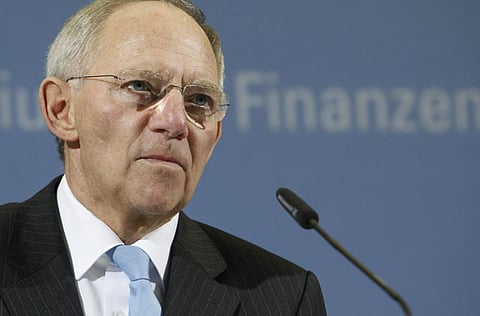
German Finance Minister Wolfgang Schaeuble put it best when he reportedly said that the Federal Reserve Bank's $600 billion quantitative easing programme would not solve the economic problems of the US and instead was creating "extra problems for the world".
By pumping billions of dollars — basically created out of nothing — into its economy to boost a shaky recovery, the Federal Reserve has weakened the currency on international markets, making US exports more competitive and discouraging imports. But, despite the latest figures, the country is still struggling to create the number of jobs needed to dent unemployment, necessary for a sustainable economic recovery. Earlier quantitative easing programmes have had limited success and left the US in a fragile financial position.
By weakening the dollar, the Federal Reserve is also forcing developing countries such as Brazil, China and India, among others, to intervene to stop the strengthening of their currencies, as this will hinder their economic growth.
The Federal Reserve programme has almost certainly sunk any chance of the Group of 20 nations' meeting next week reaching an agreement on how to avoid a currency war that will further weaken the fragile international financial system and disrupt world trade, at great cost to the growth of the global economy.


