An opportunity to salvage Iraq's pride
The region must invest in the latest polls so that Iraq does not become a threat
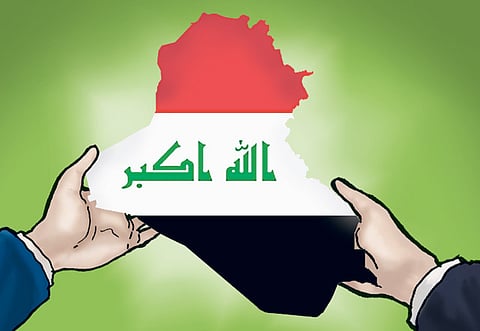
Iraq's parliamentary elections are now behind us and the political weight of the major factions has become clear. Although incumbent Prime Minister, Nouri Al Maliki and former prime minister Ayad Allawi have won most of the popular vote, none would however have a majority to form a government alone. That could lead to a heated and possibly lengthy power struggle between the two heavyweights.
The US as well as Iraq's neighbours will be watching closely, and may even feel entitled to take part in shaping the outcome of this conflict. The stakes in Iraq's future remain as high as ever and the competing regional and international actors would be inclined to try to sway things in their favour.
The Obama administration is hopeful that the election, a milestone in its plans to withdraw all but 50,000 troops by August, would lead to relative stability in the war-stricken country. Fierce competition among regional powers on the one hand and factional Iraqi forces on the other could render this hope unrealistic.
The formation of a strong Iraqi government is a prerequisite to realise the US primary objective — withdrawal. The election of a representative parliament is also vital for the preservation of US interests and for the prevention of regional and local opponents from dominating the political process.
On drafting the election law, the US sought to distribute power among the major parties and to ensure that parliament is not controlled by a single political bloc. The presence of competing powers would guarantee that US rivals would not take full control of the country after withdrawal.
By the same token, the US attempts to make parliament and government representative of most political trends in Iraq so that the security situation would not deteriorate when it reduces its military presence.
Indeed, the Americans would retain the upper hand in defining the course of events in Iraq even after withdrawal; yet, regional conditions could facilitate or complicate the realisation of their objectives.
Point of agreement
Despite their differences, Arab countries agree on the need for genuine change in Iraq's political structure. Since the US invasion in 2003, Iraq has been isolated from the Arab world, resulting in dwindling Arab influence in the country. Neighbouring Arab states have since been trying to restore the balance by supporting different political factions. Fearing a spillover of violence, Iraq's Arab neighbours ought to play key roles to bring about order and stability ahead of the US withdrawal.
The two Arab countries which are likely to have more influence in Iraq are Syria and Saudi Arabia. The Syrian-Iraqi dispute is multifaceted. It includes disagreements over economic and security issues, the state of Iraqi refugees, and hosting opposition groups.
For the best interests of the two countries, these issues need to be resolved rather soon. Saudi Arabia, on the other hand, has been complaining that the US administration has not been heeding its advice concerning Iran's rising influence in Iraq. The Saudi-Iraqi dispute includes Saudi Arabia's position on the Iraqi government, borders security, and Iraq's cold relations with the Arab world.
Turkey has also an important role to play in the future, particularly with regard to the Kurdish issue. Its ability to persuade and pressure the Kurds to rationalise their political objectives is vital. Indeed, the situation in Iraq is very different today from where it was a few years ago and the Kurds know very well that their Arab opponents are not as weak as they were in 2003.
Iran remains the most influential regional player in Iraq. It seeks to ensure that Iraq doesn't become a hostile neighbour in the future. The ability of Iraq to survive the withdrawal of US forces at the end of 2011 is a major Iranian interest because any deterioration in the security situation in Iraq would have negative implications for it.
On the other hand, Iran seeks to preserve its strong influence in the context of its conflict with the West. Iran's interest might lie in preserving the present divisions and conflicts in Iraq. The status quo would allow it permanent presence and a leverage to increase its gains.
Over the past seven years of occupation, Iraq has endured numerous difficulties. Iraqis have had a hard time trying to survive sectarian and ethnic violence, which formed an alternative culture to the Iraqi national identity.
Hundreds of thousands of people have been killed and many other millions have been displaced during the civil war. Notwithstanding the relative improvement in the security situation in recent months, tension remains high and the social and political fabric of Iraqi society is becoming more divided and polarised.
This atmosphere could have dire consequences for Iraq and the region at large unless serious regional efforts are made to invest in the latest elections so that Iraq would not become once again a threat to itself and its neighbours.
Dr Marwan Kabalan is a lecturer in Media and International Relations, Faculty of Political Science and Media, Damascus University.


