Abyei will be the bone of contention
A traditional referendum in the oil-rich area bordering north and south Sudan can resolve the status of the region
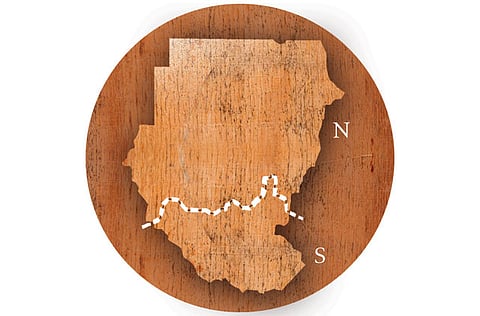
Sudan, after the breakup: Can violence be prevented?
The referendum on Southern Sudan, which takes place today, will almost certainly result in secession from the North. While an independent South Sudan might be the prudent long-term solution for a country long ravaged by conflict and sectarian violence, the referendum threatens to escalate war and bloodshed in a region already deeply destabilised by drought, poverty, terrorism, and ethnic and religious violence. Renewed violence would not only damage the future welfare of North and South Sudan, but present alarming implications to regional and international actors as well.
However, these same leaders and international actors can also skilfully prevent conflict escalation. They must provide both North and South Sudan with a supportive climate that encourages development and addresses the issues at the heart of conflict. The referendum may then be seen as a turning point in Sudan's (and the region's) future.
Though a creation of an independent South Sudan may solve one source of the conflict, renewed violence is still a possibility since the referendum does not address many of the root causes of this conflict. Most important, the referendum fails to address the issue in the oil rich border city of Abyei, whose inhabitants face the choice of staying with the North or joining the South.
The city was excluded from the referendum due to the strong disagreements between the conflicting parties. The Southern-oriented Ngok Dinka argue that the inhabitants alone have the right to vote on their future. The Misseriya Arabs of the North believe the land belongs to them and insist that they should be part of any future political settlement. By itself, the explosive issue of Abyei has the potential to destabilise the entire post-referendum environment in Sudan.
Coupled with the rich oil resources in Abyei, the dispute over the voter registration criteria has come to shape the parties' positions. Both the Dinka and the Misseriya have dug in their heels and refused to compromise. Given that the South controls over 80 per cent of the oil resources in current Sudan, the future of Abyei becomes especially important for the North. Should the separation take place as expected, the North faces a drop in its oil exports from 450,000 barrels a day to zero.
There are still additional challenges that threaten a stable post-referendum Sudan. They include a host of potentially explosive negotiations. Taken together, the post-referendum era is rife with challenges that could lead to violence.
Stakeholder
Renewed violence in Sudan is a damaging option not only for the future of North and South Sudan, but for the global community as well. The emergence of a new stakeholder, Southern Sudan, would join the already unstable arrangement around Egypt's vital water resource, the Nile River. Violence in the South would only aggravate the situation in Darfur and further pressure the security concerns in the Red Sea and the Gulf of Aden. The spillover of the Sudanese conflict would no doubt present a serious challenge to the US regional security arrangement as well, and would further complicate the United Nation's management of violence in Darfur.
Despite these towering challenges, conflict escalation in Sudan is preventable, and much can be done to ensure a peaceful post-referendum stage. Although direct US engagement helps tremendously, involving regional stakeholders is vital for making intervention even more effective.
Egypt in particular, as a regional power and a stakeholder in the Nile water arrangement, has a crucial role to play in holding a peaceful and legitimate referendum.
Additionally, though Abyei can be an engine for conflict, it can also be a source of peace, prosperity, and collaboration between the North and the South.
A traditional referendum in Abyei represents a zero-sum approach to resolution. But such an approach will not solve the city's problem, since both the Dinka and the Misseriya groups have aspirations for independence, which will have to be addressed.
Finally, confidence-building measures must be taken immediately after the referendum to help reassure both parties and to help establish the ground for better relations and collaboration in the future.
—Ibrahim Sharqieh is deputy director of the Brookings Doha Centre in Qatar. He is an expert on Middle Eastern politics and international conflict resolution.


