Sparkling tradition: Lights of Ramadan
Steeped in history, lanterns and crescent lights remain symbols of the holy month
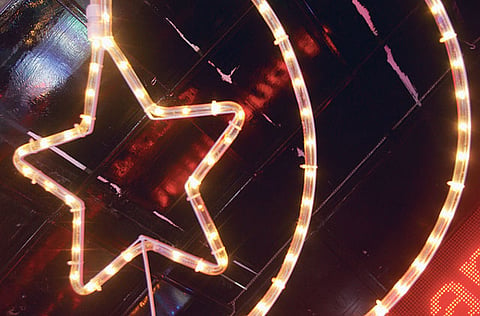
DUBAI : On the night of the fifth day of Ramadan in the Hijri year 358 (AD968), the Fatimid caliph was visiting the city of Cairo and hordes of Egyptians turned out to receive him - holding lanterns to light his way.
That night, it is believed, was the origin of the use of lanterns during Ramadan. But another historical account states that one of the Fatimid caliphs ordered imams to light up mosques during Ramadan nights as many Muslims perform prayers there in the holy month. After Ramadan, imams would gather the lanterns and store them away for the next year.
Keeping alive a tradition
Over the centuries Arab Muslims have continued the tradition of decorating their homes with Ramadan lanterns (known in Arabic as fanoos) to announce and celebrate the arrival of the holy month.
This led to the emergence of skilled craftsmen who would use tin and glass to make these lanterns. The skill has been passed down from generation to generation.
But today, thanks to technology, countries such as China have begun producing decorative items for Ramadan, which are available in the region.
Rejal Karim, who works in China Brothers lantern shop at Dragon Mart, says the shop does brisk business every Ramadan. But he says it's not only Muslims who buy these items, even European Christians are among his customers who buy these throughout the year.
"They [lanterns] are made in China," he said, adding that prices range from Dh50 to Dh5,000.
Mira Younis, Jordanian, 30, said she grew up seeing crescent lights decorating windows in her country, and now that she has her own house, she cannot think of welcoming Ramadan without having a crescent hanging from her window to spread the spirit of the holy month.


