UAE public urged not to disturb birds when camping
Bird migration has been threatened by human activities around the world, says municipal official
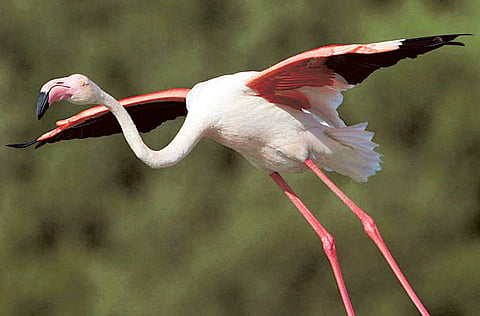
Dubai: In celebration of World Migratory Bird Day, municipal authorities on Sunday called on the public to take precautionary steps when camping to avoid threatening the environment and the birds’ migration.
World Migratory Bird Day, which falls on May 11 and 12, has been an international initiative backed by the United Nations since 2006. It is aimed at raising awareness among communities about the risks and threats faced by migratory birds, in addition to focusing on the growing need to protect these types of birds and their natural habitats.
“Migratory birds travel thousands of kilometres in their migration routes and cross a number of areas to rest and feed. But their migration has been threatened by human activities around the world, such as land reclamation and deforestation, contribute to climate change and pose a significant threat to their habitats,” said Hamdan Al Shaer, Director of Environment Department, Dubai Municipality.
The municipality’s celebrations include a symposium that will be held on Monday at the Falcon Centre, Nad Al Sheba, under the slogan ‘Networking for Migratory Birds.’
“We complete support this global initiative to raise global awareness about the threats of migratory birds whose habitats are destructed by over-exploitation, pollution and climate change,” he said.
As part of the municipality’s awareness campaign, residents have been advised to strictly follow the authority’s guidelines and to avoid disturbing the birds when visiting desert and mountainous areas.
“Migratory birds tend to be in areas that are close to the water, so when people set up their tents, they should make sure that they are not close to a pool or wadi because otherwise they will stop the birds from feeding there,” said Dr Reza Khan, Specialist, Wildlife and Zoo Management, Public Parks and Horticulture Department of Dubai Municipality.
“Plastic materials are also extremely harmful to birds because they are not biodegradable, and these materials come in the packaging of many food items, like crisp potatoes and chocolate. Nobody likes a dirty home, and Mother Nature’s the home of wildlife that should always be kept clean as well,” stressed Dr Khan.
He pointed out that visitors who use their boat should not disturb birds in the water as they may be roosting or feeding along the coastal areas.
During winter, the Ras Al Khor Wildlife Sanctuary supports more than 20,000 water birds of 67 species and acts as a critical staging ground for birds of the East African-West Asian Flyway. The sanctuary was the first site in the UAE to sign the Ramsar treaty, an intergovernmental commitment to maintain sustainable use of wetlands.


