England's rise to the top no flash in the pan
Sport administrators in the country invested in a system and the results are there for everyone to see
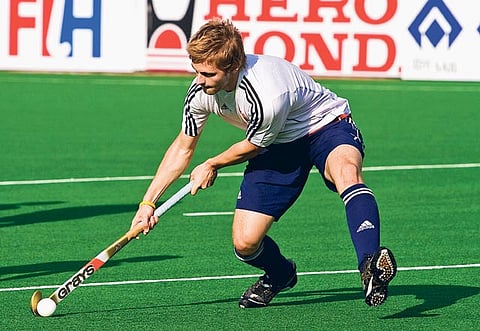
New Delhi: If there is one team that has caught the eye in the Hero Honda World Cup, it's England. Beginning with their upset victory over red-hot favourites Australia on Day 1, the 1988 Olympic Champions have impressed with their speed, power and most importantly, their organisation.
Having won the European crown last year, much to everybody's surprise, the English have now re-emerged as a force to be reckoned with on the world stage. "We finished 5th at the last World Cup four years ago, so we have been competitive at the top level for some time but we haven't been consistent. But winning the Europeans gave us a real belief in ourselves a feeling that we belong at the top," explains striker James Tindall.
The transformation hasn't come about overnight and is a lesson for teams like India and Pakistan who have tended to expect instant success and have been disappointment when it doesn't materialise.
Much of what has been achieved can be put down to the backroom staff, led by England Hockey's performance director, David Faulkner. "When I took over my job in 2005, we were nearly relegated from the Europeans and our game seemed to be heading towards the basement. We were ranked 11th in the world at that time and we sat down a set ourselves a journey. Our mission statement was to improve by at least one rank a year and eventually be at a stage where we could compete for medals. At this point we are ranked 6th and are in the semifinals of the world cup, so we seem to be on track," explains the genial 46-year-old.
England's success provides an interesting case study. Not only the men, the women too have been doing well at the world level and both teams have succeeded with young, previously untested, home-grown coaches who have been given time to deliver results.
Says Faulkner: "Historically, we never invested in our own coaches. Also, up to 2004, we demanded instant success and coaches were changed every one or two years. After that, the philosophy changed. We decided to back local coaches … the whole idea was to build a legacy for the sport, for the coaches, for the players."
The last few years also haven't seen too many changes in the team, allowing players to settle down to the style and tactics of the coaching staff.
It's also heartening for English hockey that the player base is growing by the day. With well over 100,000 registered players, not including schools, the sport is doing well. While victory here is just two matches away, England are not getting carried away by the here and now. "When we won in 1988, we never really capitalised on the success. It kind of happened and then we forgot about it. Now, we need to cash in on what we are doing. We need to create a legacy. We just can't afford to sit back and pass up on this opportunity," asserts Faulkner.


