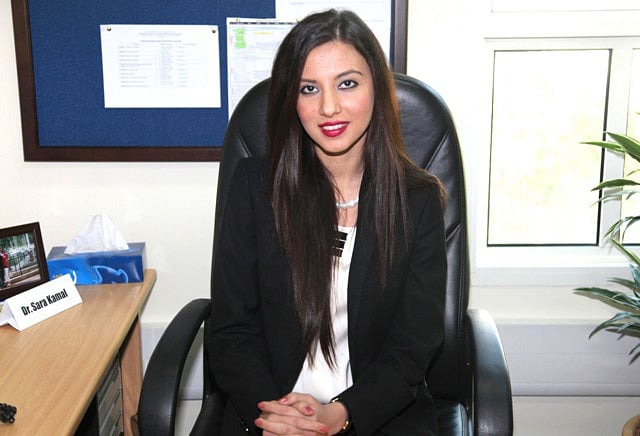
My guiding principles on teaching this subject
Alongside my aspirations as a researcher, I believe that teaching plays a vital role in the dissemination of knowledge in our field. I believe that lasting knowledge is a result of an education that balances theory and practice. That is, a lasting and comprehensive knowledge of marketing communications stems from an education that encompasses both theory and practical know how. To achieve this balance, I strive to teach my students the foundations of theory, particularly as they pertain to the domains of marketing, promotional planning and consumer insight. In addition, I want to emphasise the ways in which theory can be used to understand consumer behavior, develop communications strategies and explain phenomena encountered in the marketing communications industry. My aim is always to emphasise the ‘ So What’ factor and prompt students to consider the application of concepts across different contexts. By doing this, students will be well equipped with an education that will last them a lifetime. For this reason, creating projects and collaborations with international and national level companies has been an immensely helpful learning tool to help bridge the gap between theory and practical application.
Accessibility is another issue vital to my approach to teaching. My aim is to be accessible to my students inside and outside the classroom. In the classroom, I strive to connect with my students irrespective of what level they are at, by explaining concepts in a simple and clear manner. Outside of the classroom, I strive to provide my students with opportunities to discuss their aspirations in and beyond the classroom.
Marketing in today’s world of micro-blogging and social networking and its impact on advertising and marketing
I think that mass-level digital access on a global scale has undoubtedly changed the way people engage in the marketing process - it is interactive, instantaneous and transparent now. Consider traditional marketing communications tactics, like Public Relations. Traditionally, marketing communications professionals crafted a press release and sent it forward to media outlets. Now, marketing professionals are dealing with spreading that message through social media outlets, engaging in conversations with consumers, managing public relations and perceptions almost instantly (in real time) via these platforms and on a global scale. Consumers want to engage and managing that engagement has become embedded into the planning and execution of marketing communications functions.
The same can be said of other forms of marketing, be it digital tactics like online campaigns, product placement in entertainment content, and even traditional advertising mediums like television, consumers today have greater access and so the scope of the marketing function is less segmented more global. Additionally as more consumers use different media outlets simultaneously, we need to incorporate that into planning our marketing efforts. For example, most of us are using more than one medium at a time now; we may be watching television whilst using social media on our phones… this has changed the way marketers approach planning different tactics within a campaign. It means we need to continue to provide increased content and across many platforms. Obviously it means greater integration in our planning as well. Furthermore, digital technologies have leant themselves to easy measurement and a multitude of metrics. But in the words of Albert Einstein “Not everything that can be counted counts, and not everything that counts can be counted”. Marketers of today need to distinguish which metrics are providing true value, which means greater discernment in planning and evaluation methods.
Has this changed the medium of marketing and the message?
I would say that in some instances, it has and in many ways, not. Messages have become much more interactive and inclusive eliciting two-way conversations between brands and audiences. But we need to be cautious and not let the medium become the message. This is the challenge that marketers face today - not getting carried away with merely implementing new media but actually using them in a strategic manner which would improve salience of the brand. The message should and for great brands, has always been, rooted in consumer insight.
What should students be thinking differently now?
Students have greater access to learning materials and resources than ever before — naturally this implies that their role as learners is evolving. Part of that new role is for students to assume a greater sense of ownership and responsibility, including taking more initiatives to explore concepts. They need to consider how the technology and materials that are readily available to them can enhance their understanding. Additionally, because students of today live in a constantly evolving external environment, they should approach their learning in a more holistic fashion — explore a variety of subject areas and consider ways of integrating different learning materials.
What should teachers be teaching differently now?
I believe that the teachers and academics of today should not merely focus on the delivery of content but use their expertise and training to create learning opportunities where students can apply concepts across different scenarios. The advent of digital technologies, educational software and freeware has, in my view, enhanced the role of educators providing us opportunities not just to focus on the delivery of material but help students “how to learn” and help them adapt learning across different contexts.
My aim in teaching my courses is to help students build connections between concepts and contexts. I would like to see educators move away from treating business domains like vocational training much like the carpenter versus the architect paradigm. What educators should aim to do is help students develop a more sophisticated conceptual driven approach. Creating learning opportunities that enable students to envision, strategize and create.
Many people in today’s world will switch careers four or five times if not more within their lifetimes, education has to serve individuals throughout those changes. The ability to conceptualize and adapt is paramount in today’s evolving marketplace. For example, can you take business principle and apply it to art? Can you take psychology make sense of something from a business point of view? Can you take a social or cultural trend and figure out how a brand can connect to it? That is the kind of thinking that is robust to changes in media and external environments, which will stay with the students over their lifetimes.
Instead of focusing on delivering axioms and principles we need to focus on the creating opportunities that allow students to explore concepts across different aspects of their environment. I see my role as a professor in higher education not just as delivering materials but as a community that is passionate about thinking about the thinking and learning process, be it through instruction or research. This is particularly true, given the rapid uptake of technology driven education such as applications and freeware. If higher education merely focuses on delivering a lecture or explaining concepts, we are not really fulfilling our mandate as center of higher learning. We need to teach students how to approach learning and recognise the interconnections between concepts. I believe that most students will be responsive to these types of changes in instruction because it resonates with their learning goals and allows them to personalize their educational experience.
(Sara Kamal, PH.D, is Assistant Professor of Marketing Communications, American University of Dubai (AUD)).
Next week: Students from AUD share their experiences of spending time at advertising agencies and their views on tomorrow’s shape of marketing.
Sign up for the Daily Briefing
Get the latest news and updates straight to your inbox
Network Links
GN StoreDownload our app
© Al Nisr Publishing LLC 2026. All rights reserved.