Obama's hurried exit from Iraq is a travesty of morality
There is real fear premature US withdrawal could reverse the security gains and plunge the region into instability
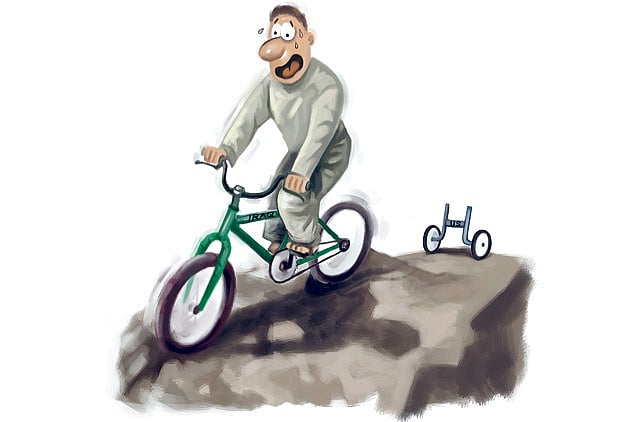
The withdrawal of the US combat forces from Iraq, in keeping with the Status of Forces Agreement (Sofa) and President Barack Obama's campaign promise, came after seven-and-a-half bloody years.
As of September 1, the combat mission is over, but the war is not. "Operation New Dawn" replaced "Operation Iraqi Freedom." It is a kind of soft occupation and dependency.
There was no victory speech by Obama or "mission accomplished" banners. Nor were there parades in major US cities and heroes' welcome for the troops. As The Economist said America's two million servicemen have gone through a bloody decade and lost more than 5,000 troops in America's wars, with 40,000 injured and a hefty bill of $1 trillion (Dh3.67 trillion) and counting.
Obama argued in his speech that it was time for the US to "turn the page" in Iraq and admitted that a "tough slog" was required.
As The Washington Post noted, the "US-led invasion in March 2003 was followed by a series of American blunders, such as the failure to plan for the post-war occupation, the Abu Ghraib prison scandal and the often heavy-handed use of force, which fed the chaos and unrest that enveloped the country after the toppling of Saddam Hussain."
The real fear today is of an uncertain future for the bruised and crippled country the US is leaving behind. The US has failed to achieve its war objectives. It launched the illegal war on false premises and faulty intelligence assessments.
War of choice
There are many casualties in this bloody war, including the million Iraqis killed and injured and the millions of orphans, widows and refugees. And also the crushing defeat of America's grandiose "Greater Middle East and North Africa plan". America gave up its democratic drive and has been a witness to the emergence of emboldened and defiant foes, led by Iran, Syria and a host of non-state actors, like Hezbollah and Hamas. There has been a resurgence of Al Qaida and its affiliates in Iraq, Yemen and Somalia, and the Taliban in Afghanistan and Pakistan are setting the tempo in an ongoing war of choice against the US and its allies.
The major challenge today is how to mend Iraq's dysfunctional political system and improve the dire security situation. The glue that kept this fragile state together is gone. The lid is off and there is a genuine fear that Iraq is destined to spiral out of control. As one analyst put it, "the past seven years have been characterised by bloodshed and destruction, broken promises and the emergence of at best a dysfunctional state. If the mood was cautious back in 2003, today the overriding sense is one of pessimism and despair." An unstable Iraq could endanger the stability and the security of the whole Gulf region and make America's GCC allies scramble to safeguard their security as a result of the chaos in Iraq — and a stronger Iran.
Leaving behind 50,000 US troops to "aid and assist" in training and counter-terrorism measures does not allay the fears of many in Iraq and the region. Lieutenant General Babakir Zebari, the head of Iraq's armed forces, warned that his troops can't yet secure the country. "The US Army must stay until the Iraqi army is fully ready in 2020."
There is a real fear that a premature US military withdrawal from Iraq could reverse the security gains and plunge Iraq and the region into instability. Obama seems set on his decision to go ahead with the withdrawal plans.
Obama staunchly opposed the Iraq war. In 2008, as a candidate for the office of US president, he made a blunt remark before a meeting of the American-Israel Public Affairs Committee, the pro-Israeli lobby group: "A consequence of the Bush Administration's failed strategy in Iraq has been to strengthen Iran's strategic position, reduce US credibility and influence in the region, and place Israel and other nations friendly to the United States in greater peril."
Obama wants American voters to know that he is to be trusted because he fulfils his campaign pledges. It is a travesty, if Obama insists on holding Iraqi affairs hostage to the Democratic midterm elections, to score points with the disillusioned voters who are more concerned with the economy than the forgotten war in Iraq.
The US as an occupation force has a moral obligation to Iraq and its allies. A renegotiation of Sofa will help Iraq in its transition period and avoid the prospect of a civil war. This should reassure nervous and worried Iraqis and America's regional allies. Otherwise, all the gains will be eroded and America's foes will be strengthened. All we will witness will be a false dawn.
Dr Abdullah Al Shayji is the chairman of the Political Science Department at Kuwait University.
Sign up for the Daily Briefing
Get the latest news and updates straight to your inbox
Network Links
GN StoreDownload our app
© Al Nisr Publishing LLC 2026. All rights reserved.