World War Z director Forsterwas’ zombies inspired by nature
Swiss director says he worked to keep zombie elements linked to nature
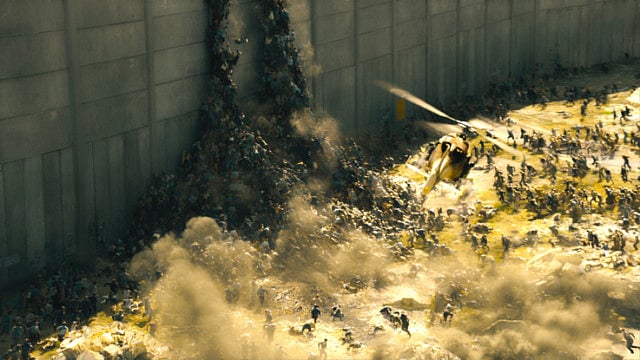
As a boy growing up in Switzerland, director Marc Forsterwas obsessed with the way fish and birds, moving together, gracefully coalesced into a single organism, the multitudes swarming seamlessly as one.
From such pastoral visions comes the zombie tsunami threatening humanity in World War Z. The apocalypse thriller based on the novel by Max Brooks opens June on 21. It centres on a UN inspector, played by Brad Pitt, who must leave his wife and daughters on an aircraft carrier and cross the globe in search of the source of the zombie epidemic.
Once bitten, the victims frenetically convulse and join an undead horde that, unlike the inexorably lumbering stiffs in The Walking Dead and George Romero films, sprint through city streets like rabid cheetahs, clicking their teeth malevolently and at times swarming terrifyingly en masse. In one set piece, they charge so fiercely against a massive wall in Jerusalem that they form a churning tower of deranged flesh eaters that eventually surmounts the barricade.
“They’re like this force of nature coming at you,” Forster said. “I felt like the more I could base it in nature, viscerally, the more scary it will be.”
The animal kingdom figured heavily into his conception of the zombies. In addition to birds and fish, the filmmakers also paid careful attention to the movements of ants. The mandibular mechanics of the zombie bite were informed by police dogs, specifically the way they lead with their mouths and “then bite forward,” Forster said.
As for the clacking teeth, which seem to evoke gorillas or, more topically in this cicada summer, an insect plague, Forster said that aspect was actually his one nod toward the gothic.
“It’s like an empty shell – you feel a hollowness because they’re not human anymore,” he said. “Their souls have left them.”
Zombies are nothing if not metaphorically flexible, something that the director said had contributed to the genre’s historical popularity and recent resurgence. In the tower of Jerusalem, for example, he sees a dark vision of an exploding world population scrambling for dwindling resources. What these zombies are not, however, is a commentary on the onslaught of bad buzz that trailed the film’s well-documented production woes.
“That’s funny,” he said, responding to the suggestion with what sounded like genuine mirth. “I believe in the movie and I always have, and I feel like the movie will speak for itself.”
Sign up for the Daily Briefing
Get the latest news and updates straight to your inbox
Network Links
GN StoreDownload our app
© Al Nisr Publishing LLC 2026. All rights reserved.