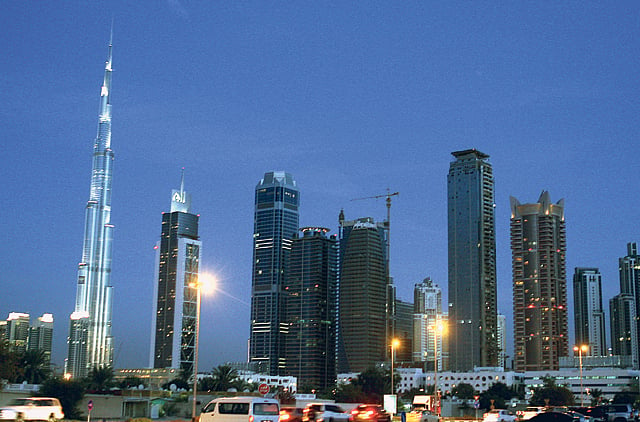
Dubai: Initial signs of rental stabilisation of 1 per cent in January and 6 per cent in February suggest the market is reaching equilibrium according the latest Property Beat report by HC Securities and Investments.
After nine months of decline, asking rental prices in Dubai stabilised last Nov-ember and recorded strong gains until February with a 6 per cent month on month increase, the report states.
Agreed prices were up 6 per cent in February after a 13 per cent drop following the Dubai standstill announcement last November.
"The market is going through a stabilisation phase if you compare the sentiments and figures of the same period last year. Positive sentiment, stabilised rental and sales prices are all positive signs.
"However, having said that, the formula of supply and demand should not be underestimated and has to be looked at carefully in terms of what is in the pipeline what has been announced and what will be cancelled, etc," says Mohanad Al Wadiya, managing director of Harbor Real Estate.
The report states that while they initially attributed the increase in prices to the rising number of deliveries, the survey suggests that areas which witnessed the highest number of handovers recently actually saw declines in February; namely Downtown Burj area with a 5 per cent decrease and Dubai Marina with 10 per cent.
"The overall forecast for 2010 is for greater solidity in rental and sales rates. However, there are always winners and losers dependent on the product quality and the supply and demand fundamentals that are impacted on each individual development," Matthew Green, head of research UAE at CB Richard Ellis Middle East, told Gulf News.
According to the report, rental rates in Dubai were helped by the spillover from neighbouring emirates (particularly Abu Dhabi) which anecdotal evidence suggests gained momentum last year.
"An increase in commuters to neighbouring Abu Dhabi is helping to soften rental declines in some strategic locations along Shaikh Zayed Road, however the overall trend remains downward. New supply growth is helping to maintain fierce competition between landlords, and this is benefiting tenants by helping to reduce rental rates further.
"Newly completed freehold projects and those areas already experiencing significant oversupply are typically faring worst, while more established developments in the Dubai Marina and Dubai Downtown are seeing greater levels of stability," says Green.
Government figures show a 6 per cent population growth in Dubai until September 2009. Other growth indicators come from the Dubai Electricity and Water Authority which reported a 14 per cent year on year growth in the number of power connection in 2009.
Du recorded year on year growth of 40 per cent in mobile subscribers and a 17 per cent in fixed line subscribers in 2009. Etisalat recorded a 6 per cent year on year growth in mobile subscribers but saw a 4 per cent decline in fixed lines.
The report said mortgages have continued to tighten ahead of the Dubai World debt restructuring proposal. Mortgage volumes fell to 11 per cent in February from 25 per cent in September. Cash buyers were seen to be picking up smaller, more affordable units in areas such as International City (up 9 per cent), Greens (up 11 per cent) and Jebel Ali (up 10 per cent).
"A problem that might affect this stability is tight liquidity. Even if you have supply and a growing demand, where is the money coming from? There's an appetite but not the funding," says Alwadiya
The report said that the restructuring of Nakheel which controls 50 per cent of expected supply is predicted to lead to further project delays and cancellations supporting sector dynamics. However, expected recovery in the global economy and stronger growth in the UAE this year is likely to support demand.
Sign up for the Daily Briefing
Get the latest news and updates straight to your inbox
Network Links
GN StoreDownload our app
© Al Nisr Publishing LLC 2026. All rights reserved.