Maintain a vigil against possible skimming
Debit cards are less frequently targeted by fraudsters as they have lower limits and funds available to spend
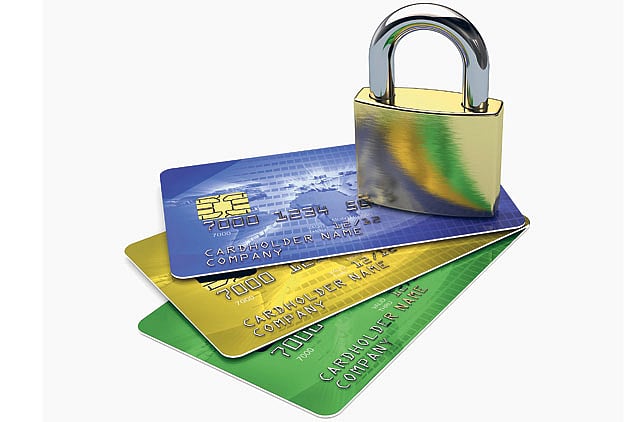
Just like credit cards, debit cards are at risk for fraud, but experts tend to disagree about which one is more secure than the other.
Experts confirm that details such as a card number and personal identification number (PIN) are enough to empower fraudsters to use someone else's debit or credit card in phony purchases.
According to Rob Penn, sales manager of ACI Worldwide, debit cards don't attract as much attention from identity thieves simply because there is often not enough money linked to this type of account.
"They are less targeted by fraudsters as they have lower limits and funds available to spend, and because they are linked to a current account, any fraudulent activity may be spotted more quickly than on credit cards with a monthly statement," Penn tells Gulf News.
Also, since debit cards have been traditionally used in ATMs rather than in stores or merchant outlets, they have been less prone to skimming at compromised retailers.
"Although the capture of card details at compromised ATMs generates a lot of publicity, it is far less prevalent than capturing card details at retailers, such as restaurants and hotels, where traditionally credit cards have mainly been used," he explains.
Andrew Rochford, solutions consultant at ACI Worldwide, admits that debit card fraud has traditionally been regarded in the Middle East as less of a threat than credit card fraud.
"Published figures show a higher percentage of fraud perpetrated with credit cards rather than debit cards. However, with total card losses for 2009 estimated at around $54 million (Dh198.3 million) … the debit percentage still represents a sizeable real cost value," Rochford says.
Last April, Gulf News quoted an official from Software AG as saying that around $54 million was lost to credit card fraud in the UAE last year, a 20 per cent increase over 2008.
However, Rochford warns that the cost of debit card fraud is likely to rise, as more people opt for this type of payment. "The rise is down to the fact that, as per the experience in the US and Europe, Middle East customers are becoming increasingly dependent on debit cards, either from choice or necessity," he says.
Rochford says that with debit cards increasingly being used in ATMs, they are more prone to skimming. Besides, breaches in data warehouses have also placed significant numbers of debit cards on the black market.
Another reason for concern is the reluctance of banks to invest substantially in proper protective measures. He says banks should anticipate the potential loss if attacks happen in the future, rather than comparing the cost of investment with fraud losses in the past.
"The increased exposure to risk puts them in a precarious position, as fraud attacks, when they happen, can only be effectively countered if the defence mechanisms are in place and well established," he says.
Sign up for the Daily Briefing
Get the latest news and updates straight to your inbox
Network Links
GN StoreDownload our app
© Al Nisr Publishing LLC 2026. All rights reserved.