Air con artists
GN Focus takes a look at some of the most prevalent air-conditioning myths in circulation
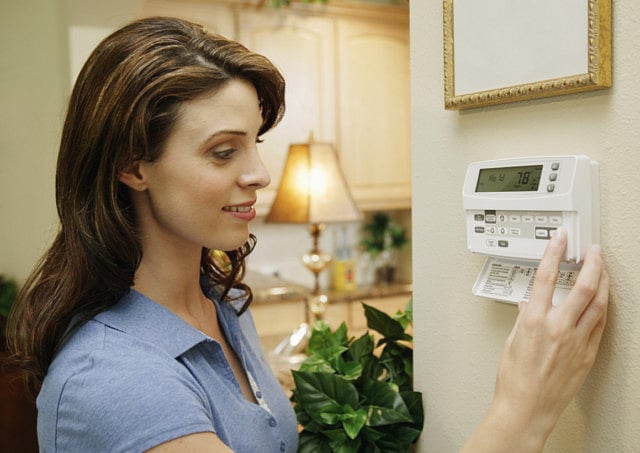
The summer haze is here. That inevitably means clammy palms, sweaty nights and car interiors so hot you risk scorching your pants when you take a seat.
However, wherever nature has thrown atmospheric obstacles on man’s path to serenity, our race of great inventors have always procured remedies to defy the laws of the universe.
In 1902, Willis Haviland Carrier invented perhaps mankind’s greatest riposte to the sun’s unwavering determination to frazzle us where we stand and walk —air conditioning.
As with all inventions, its use carries caveats, naysayers and the odd urban myth. Most of the conspiratorial Chinese whispers were designed to inculcate an insatiability for the device in the consumer to keep them returning to the manufacturer for the latest technological advancement that obviates the detrimental side effects of the previous models.
We take a look at some of the most prevalent myths regarding air-conditioning circles to or clarify their validity.
Opening the windows of your car before you turn on the AC makes the air cleaner
Partially grounded in truth. Most car manuals instruct drivers to open the windows before you turn on the AC to let the hot air out, but don’t go any further in an explanation.
In fact, the reason you need to let the hot air out is because the plastics in the venting system actually heat up to such extreme temperatures that they can partially melt. The heated plastic contains benzene, a toxic carcinogen that attacks the kidneys and liver and is proven to cause various cancers, leukaemia and anaemia, and reduces white blood cells.
When the melted plastic particles, residing in the ducts of the air conditioner are blown out into the confined space of the car, the human driver absorbs excessive levels of benzene.
The acceptable indoor benzene level is 50mg per square feet. A car parked indoors, with windows closed, can contain 400-800mg of the toxin. Parked outdoors in the sun, benzene levels can reach up to 4,000mg.
It’s more efficient to leave the AC running at a minimal level during the day
No. And certainly not for your household energy bills. Though it will take slightly longer to cool a hot house when you get in at the end of the working day, you won’t be depriving a polar bear of his icy hunting ground by consuming a stratospheric amount of energy when no one is around to benefit from it. The answer to avoid constantly stop-starting your unit is to get a unit with a timer.
Too much AC makes you sick
Folklore predating the advent of Santa Claus as a white-bearded man dressed in red and white. Cool room temperatures don’t make you ill, it is a virus that does that.
Once in your system, the virus can be exacerbated by chilly rooms, but it’s not caused by the air conditioning. Going from frosty air conditioning to sizzling heat doesn’t affect whether or not you come in contact with a virus. Eating your greens and getting a healthy amount of sleep is enough to warrant you a prolonged companionship with your AC unit.
The only misnomer in this regard may be the build-up of mould in and around your AC unit if it hasn’t been cleaned or maintained in a while. Imagine mould being blown directly into your face and you realise the importance of cleaning your unit.
To cool off a house faster, you should crank the thermostat 10 degrees cooler than the desired temperature
Not necessarily. Let’s do the math. If you set the air conditioner to 15 degrees Celsius and you want a constant temperature of 20, the air has to eclipse 20 before it gets to 15. Just set it to the temperature you want and bathe in all its cool glory.
Open windows reduce the efficacy of your AC
True. By having your windows open, you’re essentially attempting to cool the temperature of the air outside your home, office or car. It would do you well to realise earth’s atmosphere is rather substantial. Do your AC a favour and limit its operational space to the one it has been designed to control.
The rest of the earth’s inhabitants can buy their own cooling units. If you feel really bad for them suffering in the heat, buy them a handheld fan. Don’t hold your AC responsible for their overheating. ■
Sign up for the Daily Briefing
Get the latest news and updates straight to your inbox
Network Links
GN StoreDownload our app
© Al Nisr Publishing LLC 2026. All rights reserved.