Readers eye the perfect shot
With every picture taken, our readers seem to be getting better — practice makes perfect
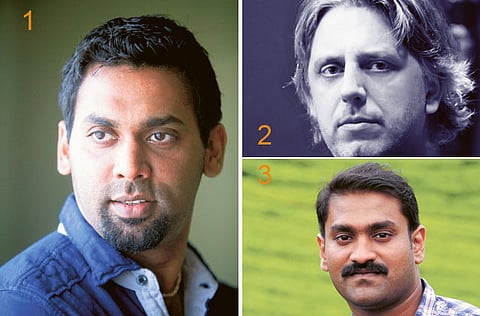
Gulf News Picture Editor Devadasan K. P. had a tough time deciding the top three pictures for the Reader Picture Competition for the month of March.
He said: "We have received strong pictures, especially ones taken in the UAE. It was unfortunate that I could only choose three because there was some serious competition."
Devadasan added: "I have noticed that our readers, especially our regular contributors, are becoming more professional — the details in the pictures are sharp, the colours are vivid and the shutter and the aperture were rightly used."
There were also a lot of pictures of people — whether they were celebrating, working or going about their daily life. What made the pictures special were the different angles that they were taken from.
Devadasan said: "The way the photographs were taken amplified the textures and details, and the formation showed the subject in a different way. I was very impressed with the collection."
Digital photography images depend on just the right amount of light falling on to the sensor. An aperture, measured in F stops, is a crucial aspect to how much light the camera gets.
A large aperture allows a lot more light to fall onto the sensor, and when this happens you have the freedom of using a faster shutter speed. This is especially handy in situations of low light and fast movement, such as indoor sports or a waterfall in the evening. That's why larger apertures and fast action shots indoors need to go hand in hand. By widening your aperture you have a better chance of the movement being "frozen" in time and the camera won't have time to think about the device shaking.
A large aperture can give you a crisp depth of field. It gives you the opportunity to have your background out of focus while giving you clearer focus for the subject close up. (You should always use macro-lenses for very short depth of field because you get more clarity and sharpness. You can get in closer too, without the subject blurring as it would without the macro-lens.) Portrait photography works well this way.
On the other hand, a small aperture in your digital photography gives you the opportunity to get a slower shutter speed because once light is reduced onto the sensor, the shutter speed will respond.
A smaller aperture in digital photography increases the depth of field because it influences the focal length. When you have an increased depth of field you will notice much sharper images in long-distance shots such as landscapes and cityscapes.
Shinihas Abu
Picture published: March 30
PROFILE: Shinihas Abu, a 29-year-old Indian national, has been living in the UAE for the past eight years. The surroundings of the place where Abu grew up were what inspired him to pursue his passion for photography, as he wanted to keep that beauty alive.
Abu, a marketing manager, said: "I grew up in Kerala — a peaceful and serene place. I used to carry my camera everywhere I went because I was fascinated by the people, nature and the heritage of that place."
Abu feels that a picture is incomplete if it does not have a story to tell.
He loves finding people with interesting-looking faces.
He said: "Looking into someone's eyes can tell roughly what they have been through. So I like to incorporate this into my photographs to tell the subject's story just by looking into his or her eyes."
REASON FOR WINNING:
Picture Editor Devadasan K.P. said: "This is a great picture that shows the depth and eye for a picture. The subject — a man praying in the desert on a hot day — is the focus."
Beno Saradzic
Picture published: March 29
PROFILE: Beno Saradzic, a 43-year-old filmmaker, loves how the world appears through a camera's lens, especially when it presents itself from an unusual angle.
Saradzic, a Slovenian national, spent many years in the architectural visualisation field. He believes that the key to being successful in his previous profession was his smart sense of observation, which later became his obsession.
He said: "I'm always on the lookout for patterns, lines, shapes, volumes and how they interact with lights and shadows. I take pictures all the time, even when I'm without my camera."
Saradzic loves taking photographs of buildings and cities from high vantage points.
He said: "I keep looking for that surprise; a perfect slice of frozen time. I find photography to be the most honest and sincere art form and the best way of expressing myself."
REASON FOR WINNING:
Picture Editor Devadasan K P said: "This is a well-exposed news picture showing the completion of the first interchange on a foggy day with the skyline and traffic in Dubai."
Krishnan Bharath
Picture published: March 28
PROFILE: Krishnan Bharath is a 32-year-old Indian national residing in Sharjah. When Bharath was nine years old he got his first camera — a Yashica film camera.
He said: "I was so curious about this technology and decided to explore it."
After practising for many years Bharath realised that taking photographs from different angles was the best way to convey the message.
Unlike many photographers, Bharath does not have a specific subject that he likes to take photographs of.
He said: "I do not look for specific things to take pictures of. For me, I capture anything I feel is beautiful or unique at that moment."
REASON FOR WINNING:
Picture Editor Devadasan K. P. said: "This is a good postcard-like picture with the deer in a steady position."


