Ahmadinejad embarrasses nuclear powers
Iranian President targets states for denying technology to others, but refusing to disarm
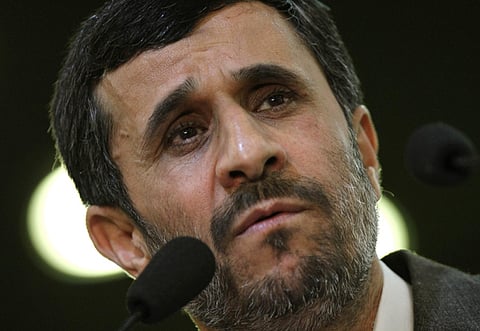
Iranian President Mahmoud Ahmadinejad highlighted the hypocrisy of the nuclear powers in his address at the United Nations' review of the Non-Proliferation Treaty (NPT). He used this attack to distract attention from his own country's refusal to be completely transparent over its nuclear programme. In reply, US Secretary of State Hillary Clinton made it very clear that the US considers Iran's continued non-compliance with UN resolutions as wrong, and that sanctions were the only way to react to it.
Ahmadinejad made a shrewd speech in which for once he did not overdo the rhetoric. He attacked countries which have nuclear weapons seeking to restrict the spread of nuclear technology to countries which are desperate for the peaceful electricity that nuclear reactors offer. This line of attack will appeal to many non-nuclear nations who want to build nuclear power stations without any thought of building nuclear weapons.
Again when Iran called for the removal from the NPT of countries which have threatened to use nuclear weapons (a reference to the exceptions in Obama's recently announced nuclear no-first-strike policy), Ahmadinejad gained popular support from some of the 189 signatories, which includes all the world's nations except India, Pakistan, Israel and North Korea.
He highlighted the failure of the 1970 bargain that is at the core of the NPT, under which the non-nuclear states would refrain from building nuclear weapons, while those countries which already had nuclear weapons would make credible moves toward disarmament.
The case against the nuclear powers is that they have insisted on controls over the spread of nuclear technology, but have themselves failed to disarm. Clinton's argument that the US should retain nuclear weapons as a deterrent as long as they exist elsewhere is not enough to counter the attack, although Obama's clarity of reducing the number of nuclear warheads is an important step in the right direction.


