Restrictions on assisted suicides overturned
Law violates free speech rights, top court says
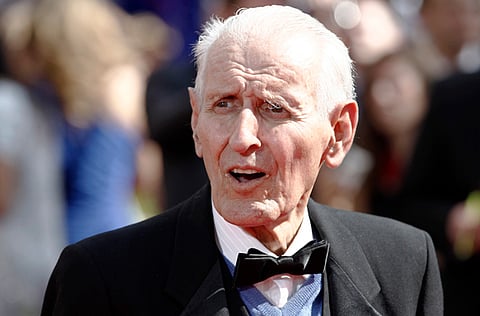
Atlanta: Georgia's top court struck down a state law that restricted assisted suicides, siding on Monday with four members of a suicide group who said the law violated their free speech rights.
The Georgia Supreme Court's unanimous ruling found that the law violates the free speech clauses of the US and Georgia constitutions.
It means that four members of the Final Exit Network who were charged in February 2009 with helping a 58-year-old cancer-stricken man die won't have to stand trial, defence attorneys said.
Georgia law doesn't expressly forbid assisted suicide. But lawmakers in 1994 adopted a law that bans people from publicly advertising suicide, hoping to prevent assisted suicide from the likes of Dr Jack Kevorkian, the late physician who sparked the national right-to-die debate.
The law makes it a felony for anyone who "publicly advertises, offers or holds himself out as offering that he or she will intentionally and actively assist another person in the commission of suicide and commits any overt act to further that purpose".
The court's opinion, written by Justice Hugh Thompson, found that lawmakers could have imposed a ban on all assisted suicides with no restriction of free speech, or sought to prohibit all offers to assist in suicide that were followed by the act. But lawmakers decided to do neither, he said.
"The state has failed to provide any explanation or evidence as to why a public advertisement or offer to assist in an otherwise legal activity is sufficiently problematic to justify an intrusion on protected speech rights," the ruling said.
State attorneys said they were reviewing the order. The network's members said they were thrilled with the decision.


