Gulf states tight-lipped on bid to impose tougher sanctions
Region won't give 'any signs of weakness' to Tehran, says Saudi analyst
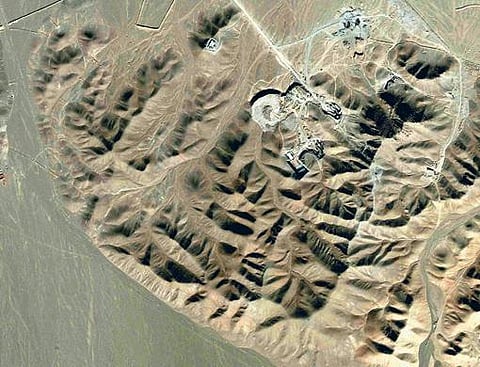
Dubai: Prominent Saudi analyst Jamal Khashougji says that Washington's swift decision to table its draft to up sanctions on Iran has neither upset nor satisfied Gulf countries which remain tight-lipped about the initiative.
"I believe it is a good thing that the Arab Gulf countries have not reacted. They are not against any move aims to achieve a peaceful solution [to the controversial Iranian nuclear programme]," Khashougji told Gulf News.
However, Khashougji said that Gulf countries did not want "to give any sign of weakness to the Iranians," at the same time.
Contrary to expectations, the United States tabled its draft for more sanctions on Iran, preferring not to give mediation over Iran's nuclear programme time to bear more fruit.
Other analysts believe regional countries were not given "enough time" to study the two proposals.
Less than 48 hours from the signing ceremonies in Tehran, reports out of New York reported on the American draft for more sanctions on Iran.
"It is clear that if Washington thought the agreement met their needs, they wouldn't have pursued sanctions at this particular time," Hadi Amr, director of the Brookings Institute in Doha, told Gulf News over the phone from Doha.
He said Washington's manoeuvres to slap Iran with more sanctions had been going on for "quite a long time."
"I think that was part of the reasons why Iran was willing to sign the proposal with Turkey and Brazil... they knew that these [US] sanctions were very close to [being] put on the table," Amr added.
Iran yesterday dismissed as "illegitimate" a draft UN Security Council resolution seeking to impose harsher sanctions against Tehran for its refusal to halt uranium enrichment.
Mojtaba Hashemi Samareh, a top adviser to Iranian President Mahmoud Ahmadinejad, said the US draft was a reactionary response to a deal in which Iran agreed to ship much of its low-enriched uranium to Turkey.
Contents of draft
A US draft resolution to impose tougher sanctions on Iran would ban Tehran from pursuing "any activity related to ballistic missiles capable of delivering nuclear weapons," freeze the assets of nuclear-related companies linked to the Revolutionary Guard, bar Iranian investment in activities such as uranium mining, and prohibit Iran from buying several categories of heavy weapons including attack helicopters and missiles.
It would also call on all countries to cooperate in cargo inspections if there are "reasonable grounds" to believe these activities could contribute to Iranian nuclear activities.


