Women’s issues still hanging, Saudi activist says
Saudi king’s actions have failed to tackle many of the bigger obstacles, academic says
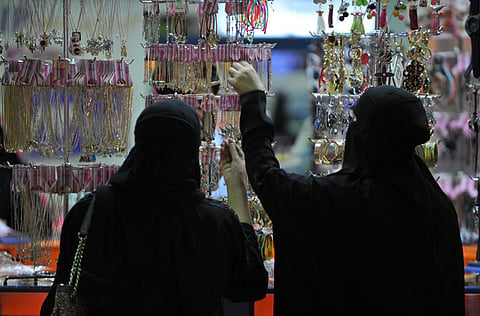
Riyadh: Saudi Arabia’s king granting women seats on the country’s top advisory council has come against the backdrop of heavy restrictions on women, who are not allowed to travel, work, study abroad, marry, get divorced or gain admittance to a public hospital without permission from a male guardian.
Advocates of greater rights for women largely welcomed the appointments. But the king’s actions on women’s issues have failed to tackle many of the bigger obstacles, said Aziza Al Yousuf, a university lecturer in Riyadh. “I don’t think they’re going far enough,” Dr Aziza said.
“The decision is good but women issues are still hanging,” said Wajeha Al Hawidar, a prominent Saudi female activist. “For normal women, there are so many laws and measures that must be suspended or amended for women to be dealt with as grown-ups and adults, without a mandate from guardians.”
But she said that having women members of the council could help to change the image of women in society.
“Men can finally respect women when they see them playing a [traditional] male role,” she said.
The 30 female members of the council include leading figures from education, health care and science, said Hatoon Al Fassi, a Saudi academic and women’s historian, in a phone interview. One of them is Thuraya Obaid, a former executive director of the United Nations Population Fund. “We have at last been recognised as co-citizens with men,” said Hatoon.
Saudi Shura Council spokesman Mohammad Al Mohanna was quoted as saying the last session of the current council will end on Monday. Although the new term begins on Tuesday, the date of convening the new Council’s maiden session will be determined later.
Wajeha said Saudi women are seeking further changes, including ending the requirement for a male guardian and the driving ban, and she hopes they will be taken up by the council.
“I cannot understand how a woman can be a member of the council and yet cannot drive herself to work,” she said.
Recently, airport authorities were instructed to send text messages to the phones of male guardians — husbands, fathers or brothers — with information about the movements of their wives, daughters or sisters.
The Inter-Parliamentary Union (IPU), an international organisation of parliaments, commended the move as “another step forward” for women’s political rights in Saudi Arabia.
“Until the announcement last September by King Abdullah [Bin Abdul Aziz] to give women the right to vote, stand for election in municipal elections and be appointed to the Shura Council, the Gulf country remained the only country in the world where women remained excluded from the political process,” the IPU said in a statement.
Although the council does not have law-making powers, the IPU said the 20 per cent quota given to women in the Shura Council makes Saudi Arabia the fourth highest in the Arab region in terms of women’s political participation in parliament.
Rights advocates have demanded the kingdom give women more of a voice as many step up challenges to the country’s religious establishment. Several women defied a ban in the kingdom on driving last year.
In 2009, King Abdullah inaugurated the first university where male and female students share classes. He also granted women the right to run for office in the 2015 municipal elections, which is the only open election in the country. Women will not need a male guardian’s approval to run or vote.
Since 2006, women have been appointed only as advisers to the body.
The king has made incremental steps toward reform but appeared to be treading carefully to avoid angering powerful religious clerics, among them the country’s grand mufti who most recently spoke out against the mixing of genders last week.

